
You’re pondering over basement waterproofing, but how much does it really cost? The answer isn’t as straightforward as you might think. Several factors come into play, like the size of your basement, existing damage, and the extent of water intrusion. That’s not to mention the local market conditions and any additional repairs needed. It’s clear this isn’t a one-size-fits-all answer, but don’t worry, we’re here to break it all down. Let’s immerse ourselves in the nitty-gritty to help you get a thorough understanding of these costs.
Key Takeaways
- The average cost for basement waterproofing ranges from $3,000 to $10,000, with basic jobs costing between $500 to $3,000.
- Factors affecting the price include basement size, current condition, job complexity, level of water intrusion, and additional repairs needed.
- Waterproofing methods like interior drainage, exterior waterproofing, crack injections, and sump pump installation vary in cost and effectiveness.
- Labor and material costs are influenced by project complexity, contractor experience, type and quality of materials used.
- DIY waterproofing can reduce labor costs but may not be suitable for complex or severe issues, requiring professional services.
Understanding Basement Waterproofing
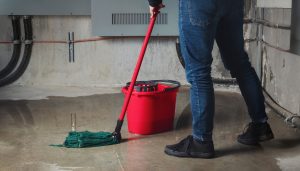
Why is basement waterproofing important, you might ask? Well, it’s essential for several reasons.
First, it prevents water damage which can be destructive and expensive to fix. You don’t want to be stuck dealing with mold growth, structural damage, or electrical issues, which are all potential consequences of water leakage.
Second, waterproofing enhances the value of your property. A well-maintained, dry basement can serve as a selling point if you ever decide to put your home on the market. Potential buyers will appreciate the peace of mind knowing they won’t have to deal with water-related problems down the line.
Finally, it improves the overall quality of your living space. A damp, musty basement isn’t just unpleasant; it can also be a health hazard.
Waterproofing eliminates that musty smell and reduces the risk of respiratory problems caused by mold and mildew.
Average Costs of Waterproofing
Your wallet’s thickness might take a slight hit when you decide to waterproof your basement. The average cost fluctuates between $3,000 to $10,000. However, for a basic waterproofing job, you might shell out around $500 to $3,000. The difference in price is mainly due to the size of your basement and the waterproofing method you choose.
To help you understand better, let’s break it down into a simple table:
| Size of Basement (in sq.ft) | Basic Waterproofing Cost | Advanced Waterproofing Cost |
|---|---|---|
| Less than 1000 | $500 – $1,500 | $3,000 – $5,000 |
| 1000 – 2000 | $1,500 – $3,000 | $5,000 – $7,500 |
| More than 2000 | $3,000 – $5,000 | $7,500 – $10,000 |
In this table, “basic waterproofing” typically includes sealing cracks and applying a waterproofing paint or membrane. On the other hand, “advanced waterproofing” involves more complex procedures like installing a sump pump or an interior drainage system. Do remember, these are just average costs and actual prices can vary.
Factors Influencing Waterproofing Costs
Several variables come into play when it comes to the cost of waterproofing your basement. The size of your basement is a significant factor. The larger it is, the more materials and labor will be required, upping the cost.
The current condition of your basement also matters. If it’s already showing signs of water damage, repairs may be needed before waterproofing can even begin. This could mean fixing cracks in the walls, dealing with mold or mildew, or replacing damaged sections of flooring.
All these extra steps add to the overall price.
Another consideration is the complexity of the job. If your basement has many corners, alcoves, or hard-to-reach areas, it might require more time and effort to waterproof.
The level of water intrusion can also affect the cost. If you’re dealing with heavy flooding, more extensive measures may be required, which can be more expensive.
Comparing Waterproofing Methods
Now, let’s compare different waterproofing methods.
You’ll want to evaluate each technique based on its effectiveness and cost.
Understanding these factors will help you make an informed decision when it comes to waterproofing your basement.
Evaluating Waterproofing Techniques
Diving into the domain of basement waterproofing, you’ll encounter a variety of techniques. Each method offers distinct benefits and drawbacks, so it’s essential to evaluate them before you make a choice.
Interior water drainage is one method that’s often favored due to its cost-effectiveness. It involves installing a drainage system inside your basement to control water that’s already entered, directing it away from your home. However, it doesn’t prevent water from entering your basement in the first place.
Exterior waterproofing, on the other hand, is more intensive and costly, but it’s also more effective. It involves excavating around your home, applying a waterproof coating to your exterior walls, and installing a drainage system. This method stops water from entering your basement at all.
There’s also the option of crack injections. This is typically the least expensive method, but it’s temporary and only suitable for poured concrete foundations.
Lastly, you might consider a sump pump installation. This system pumps water out from your basement. It’s a good option if you’re dealing with significant water issues.
In the end, your choice depends on your specific situation and budget. Evaluate your options carefully to come up with the best solution.
Cost Factors Analysis
When evaluating the cost factors of different waterproofing methods, it’s essential to take into account the size of your basement, labor requirements, and the severity of your water issues. Larger basements will naturally require more materials and labor, leading to higher costs.
If your water issues are severe with extensive damage, more intensive solutions may be necessary, further increasing the price.
The type of waterproofing method used can also greatly impact costs. For instance, interior waterproofing methods, like sealants and coatings, are generally cheaper but they mightn’t address the root cause of the problem. They’re more of a temporary fix and you may find yourself dealing with the same issues later on.
Exterior waterproofing, on the other hand, is more expensive but it provides a more thorough solution by keeping water out of your home in the first place. However, it requires significant digging and labor, which contributes to its higher cost.
Lastly, don’t overlook the cost of potential repairs to your home’s structure or replacing damaged items. It’s a good idea to get several quotes from different contractors to guarantee you’re getting a fair price.
Labor and Material Costs
Now, let’s break down the labor and material costs.
You’ll need to figure out the labor expenses, which can vary depending on the complexity of the job and the professionals you hire.
Plus, it’s crucial to understand material prices, as the cost of waterproofing products can greatly affect your budget.
Calculating Labor Expenses
To calculate labor expenses for basement waterproofing, you’ll need to contemplate both labor and material costs. However, labor costs will considerably vary depending on the complexity of the project and the contractor’s experience.
An easy way to calculate labor costs is by using a simple formula: multiply the contractor’s hourly rate by the expected hours to complete the job. Remember, this cost may increase if additional workers are necessary or if overtime is incurred.
You should also account for any preparatory work or post-project cleanup, as these tasks often require additional labor hours. It’s crucial to discuss these details with contractors ahead of time to avoid any surprise charges.
Here’s a simple table to help you understand the various factors affecting labor costs:
| Factor | Description | Impact on Cost |
|---|---|---|
| Project complexity | More complex jobs require more hours | Higher cost |
| Contractor’s experience | More experienced contractors charge more | Higher cost |
| Preparatory and cleanup work | Tasks done before and after the main job | Additional cost |
Understanding Material Prices
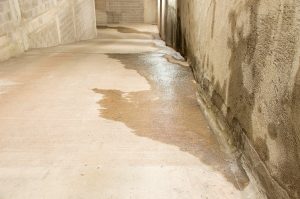
After examining labor costs, it’s time to shed some light on material prices. You’ll find that the cost of materials for basement waterproofing can vary widely depending on several factors, including the type and quality of materials used, the size of your basement, and the complexity of the job.
Quality is key here. You might be tempted to opt for cheaper materials to save some cash, but it’s not always the best move. High-quality materials can last longer, preventing potential future damage and saving you money in the long run. This includes waterproofing membranes, sealants, and drainage systems, which can range from a few hundred to several thousand dollars.
The size of your basement also plays a significant role. A larger basement requires more materials, thereby driving up costs. Similarly, a complex job involving intricate designs or challenging structural issues may demand specialized materials, which can also add to your bill.
Lastly, consider location. Material prices can fluctuate depending on your region and the availability of certain products. It’s always a good idea to gather multiple quotes to guarantee you’re getting a fair price.
Price Saving Tips for Waterproofing
Investing in waterproofing for your basement doesn’t have to drain your wallet. There are several ways you can save money while still obtaining a high-quality solution for your basement’s moisture problems.
- Do Your Homework: Before hiring a professional, research the common waterproofing methods, their costs, and how they’re applied. This knowledge won’t only help you understand what you’re paying for but also prevent you from being overcharged.
- Get Multiple Quotes: Don’t settle for the first quote you receive. Instead, get estimates from at least three different contractors. This way, you can compare prices and services, ensuring you get the most value for your money.
- Consider DIY Options: If you’re handy, consider doing the waterproofing yourself. There are numerous products on the market, from sealants to water barriers, that can be applied by homeowners.
However, remember that DIY isn’t always the best route if your basement’s issues are severe.
In wrapping up, waterproofing your basement can cost between $3,000 to $10,000, depending on several factors. Basement size, existing damage, and job complexity greatly influence the price. Even smaller projects might start at $500. Local market conditions and additional repairs can further hike the price. So, it’s essential to get multiple quotes to budget accurately. Stay informed about different waterproofing methods and consider labor and material costs to save on expenses.

Budget Dry is based in Killingworth, Connecticut and has been recognized as the areas leading basement waterproofing and foundation repair company.
We are passionate about providing the absolute best service to each home and homeowner we encounter, because we understand just how important your home is to you. We pride ourselves on our excellent customer service and use of cutting edge industry technology.
Budget Dry Basement Waterproofing is a leader in Basement waterproofing and basement restoration. Every Basement flood, leak or crack is evaluated thoroughly to ensure that we provide you with the best solution. So you can be secure and confident in the knowledge that Budget Dry treats the problem, not the symptom!