
You might not be aware, but the soil around your house shrinks and expands with changes in moisture level, exerting pressure on your basement walls. This pressure, coupled with natural settling of the house, can lead to cracks in your basement walls, which not only compromise the structural integrity but also allow moisture to seep in, encouraging mold growth. Waterproofing your basement could be a game-changer here, but how does it work and why should you consider it? This is a discussion that could fundamentally change the way you view your basement’s health.
Key Takeaways
- Basement wall cracks can result from soil expansion, hydrostatic pressure, or poor construction.
- Types of cracks, including vertical, horizontal, and diagonal, indicate different levels of severity and causes.
- Ignoring wall cracks can lead to structural damage, water damage, reduced property value, and health risks.
- Waterproofing methods like interior and exterior waterproofing, drainage systems, crack filling, and barrier creation can prevent water infiltration.
- Waterproofing benefits include preventing wall cracks, safeguarding structural stability, increasing property value, improving energy efficiency, and minimizing mold growth.
Understanding Basement Wall Cracks
The mystery of basement wall cracks often leaves homeowners baffled and concerned. You’re not alone. You may wonder, why is this happening? What’s causing it? And most importantly, what can you do about it?
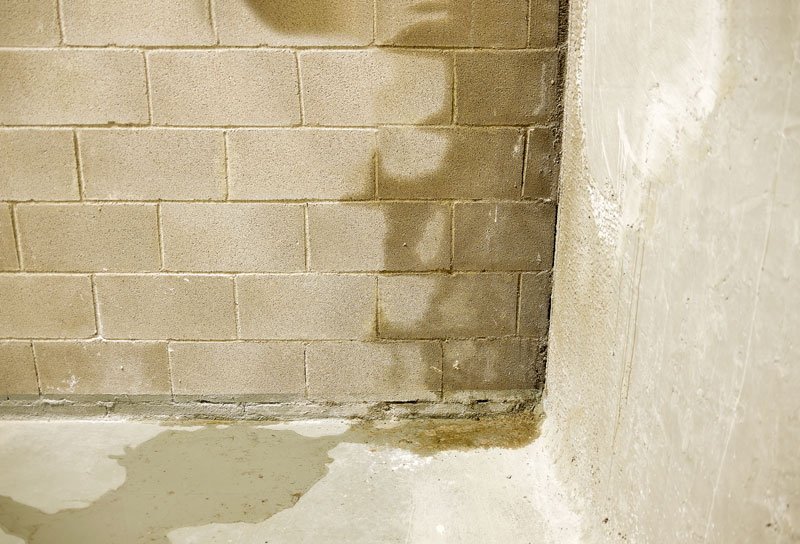
Cracks can be the result of several factors. It might be due to natural settling of your house over time. It’s not uncommon for homes, especially older ones, to shift slightly, which can lead to unsightly cracks.
It could also be due to changes in the soil around your home. If the soil expands when it’s wet and shrinks when it’s dry, it can put pressure on your basement walls, leading to cracks.
You may also face the issue of hydrostatic pressure. This is when groundwater builds up around your basement, pushing against the walls and potentially causing cracks.
Finally, it could simply be a case of poor construction or materials. If your basement walls weren’t built to withstand the pressures they face, cracking is almost inevitable.
Understanding the potential causes of basement wall cracks is the first step in solving the problem. So don’t panic, you’ve got this. Now that you’re informed, you can take action.
Common Types of Wall Cracks
Knowing the common types of wall cracks can guide you in identifying the root cause and appropriate repair steps. Let’s explore four common types: vertical, horizontal, diagonal, and stair-step cracks.
Vertical cracks are often the least serious and easiest to repair. They’re usually due to settling or shrinking concrete. Horizontal cracks are more severe, often indicating pressure from soil or water outside. Diagonal cracks usually suggest differential settling, while stair-step cracks are common in brick or concrete block walls, signifying shifting or settling.
Here’s a simple table for reference:
| Crack Type | Likely Cause | Severity |
|---|---|---|
| Vertical | Settling/Shrinking | Least Concerning |
| Horizontal | Outside Pressure | Most Concerning |
| Diagonal | Differential Settling | Moderate |
| Stair-Step | Shifting/Settling | Moderate |
Causes Behind Basement Wall Cracks
Amid the many culprits behind basement wall cracks, improper soil compaction during construction often ranks high.
If the soil beneath your home isn’t compacted correctly, it can cause uneven settling. As your home settles, it applies pressure to the basement walls, leading to cracks.
Next, let’s not forget about water. Oh yes, water plays a huge role in basement wall cracks. When it seeps into the soil around your basement, the soil expands. This expansion increases the pressure against your basement walls, causing cracks over time.
So, in conclusion, here are the three main causes behind basement wall cracks:
- Improper soil compaction during construction.
- Uneven settling of your home due to the previously mentioned soil compaction issues.
- Water seepage into the soil around your basement causing soil expansion and subsequent pressure on the basement walls.
Now that you’re aware of the causes, it’s important to regularly inspect your basement for any signs of cracking.
If you spot any, don’t wait—address them immediately. In the next section, we’ll explore the dangers of ignoring these cracks.
The Dangers of Ignoring Wall Cracks
Ignoring cracks in your basement walls isn’t just about aesthetics; there’s more at stake here.
You’re potentially overlooking structural damage that could compromise your home’s safety.
Plus, there are health risks associated with mold growth in those unseen damp spots.
Unseen Structural Damage
Cracks in your basement walls might seem like a minor issue, but they’re a wolf in sheep’s clothing.
They’re not just a cosmetic flaw; they can be a sign of serious unseen structural damage. You mightn’t realize it, but these little fissures could be signaling major problems brewing beneath the surface.
Here are three potential issues:
- Foundation Instability: The cracks in your walls can be indicative of a shifting foundation. As the foundation moves, it causes cracks to form in the walls. Left untreated, this can lead to severe instability, leading to costly repairs.
- Water Damage: Cracks allow water to seep into your basement. Over time, this moisture can wear away at the structural integrity of your property, causing unseen damage that can be extensive and expensive to fix.
- Reduced Property Value: Unseen structural damage not only poses a risk to the safety and stability of your home, but it can also notably decrease its value. If you’re planning to sell your house in the future, those unseen damages can turn into a major financial hit.
Ignoring those wall cracks isn’t worth the risk.
Potential Health Risks
Beyond the structural issues and the potential financial fallout, there’s a more immediate concern lurking behind those innocuous-looking wall cracks – your health.
It may seem surprising, but ignoring the cracks in your basement can pose serious health risks. When water seeps through these cracks, it creates an ideal environment for mold and mildew to grow. These fungi release spores that, when inhaled, can trigger allergies and worsen asthma symptoms. In severe cases, they can even lead to lung infections.
Moreover, continually damp conditions attract pests like insects and rodents, which carry diseases of their own. These critters can easily find their way through cracks and into your home, posing another health risk.
Lastly, the dampness can also escalate into a full-fledged water damage situation. This not only can ruin your belongings stored in the basement but can also cause harmful bacteria and viruses to thrive.
The solution? Waterproof your basement. By sealing those cracks, you’ll prevent moisture buildup, thwart pest invasions, and most importantly, protect your health.
It’s a simple step that can make a big difference. So don’t ignore those cracks; they’re more dangerous than you might think.
Introduction to Basement Waterproofing
A staggering 60% of homes in the US face below-ground wetness issues. If you’re among this group, you’re probably familiar with the unpleasant dampness, the unpleasant smell, and possibly even the sight of cracks developing on your basement walls.
But there’s a solution to this problem: basement waterproofing.
So, what exactly is basement waterproofing? Essentially, it’s a process aimed at preventing water from entering your basement. This involves a thorough strategy that not only tackles existing water issues but also prevents future ones.
Here are three critical components of a successful waterproofing process:
- Drainage systems: These are designed to redirect water away from your basement. They’re installed either on the interior or exterior of your home.
- Sealants: Applied to your basement walls and floor, these create a water-resistant barrier.
- Dehumidifiers: These help keep humidity levels low, preventing condensation, which can lead to dampness.
Basement waterproofing might seem like an intimidating task, but it’s a practical solution to a common problem.
How Waterproofing Prevents Wall Cracks
You might wonder how waterproofing can prevent wall cracks in your basement.
Well, it’s not only about keeping the water out, it’s also about addressing the root causes of these cracks.
Let’s talk about why these cracks occur, how waterproofing provides a solution, and the benefits you’ll enjoy with a waterproofed basement.
Causes of Wall Cracks
Often, the root cause of wall cracks in your basement is the pressure exerted by groundwater on the foundation walls. When water saturates the soil around your home, it expands, putting a tremendous amount of strain on the walls of your basement.
This pressure, known as hydrostatic pressure, can cause your basement walls to crack, even if they’re made of tough materials like concrete or brick.
There are three main causes of wall cracks:
- Hydrostatic Pressure: As mentioned earlier, when groundwater levels rise, it causes the soil to expand. This puts a lot of pressure on your basement walls, leading to cracks.
- Soil Settlement: Over time, the soil around your house can settle or shift. This movement can cause your home’s foundation to move as well, resulting in cracks in the basement walls.
- Temperature Changes: Extreme temperature fluctuations can cause the materials your walls are made of to expand and contract. This continual cycle can eventually lead to cracking.
Waterproofing: A Solution
By waterproofing your basement, you’re providing a robust solution to prevent wall cracks. It’s not just about fixing the existing cracks, it’s about preventing new ones from forming. How? By tackling the root cause – water.
Remember, water’s the culprit here. It seeps into your basement walls, expands when it freezes, and contracts when it thaws. This continuous expansion and contraction weaken your walls and make them prone to cracks. Waterproofing works by creating a barrier between your walls and this invasive water, effectively stopping the cycle.
There’re various waterproofing methods you can use, each with its unique approach. For instance, interior waterproofing methods involve applying sealants and coatings to your basement walls, filling any existing cracks, and preventing new ones.
On the other hand, exterior methods involve excavating around your house to install drainage systems and waterproof membranes. It’s like giving your house a raincoat, keeping the water out before it even hits your walls.
Choosing the best method depends on your home’s specific situation. But regardless of the method, waterproofing is a worthwhile investment. It provides a proactive solution that not only patches up current issues but also safeguards against future ones.
Benefits of Basement Waterproofing
While it may seem like a considerable upfront investment, waterproofing your basement offers numerous benefits that make it well worth considering.
It’s not just about preventing the unsightly cracks; it’s also about preserving the structural integrity of your home and your peace of mind.
Here are the top three benefits of basement waterproofing:
- Prevents Wall Cracks: Moisture is a major enemy of concrete. Over time, it can seep into your basement walls, causing them to crack. Waterproofing seals these potential entry points, protecting your walls from damage.
- Protects Your Home’s Foundation: Continued seepage of water can weaken your home’s foundation, leading to severe structural problems. By waterproofing your basement, you’re safeguarding your home’s structural stability.
- Increases Property Value: A waterproofed basement is a major plus for potential homebuyers. It shows that the home has been well-maintained and that future problems are less likely to occur. Hence, it can greatly boost your property’s value.
Different Waterproofing Methods Explained
Ever wondered how to protect your basement from water damage? There are several methods you can use to waterproof your basement. Let’s discuss a few.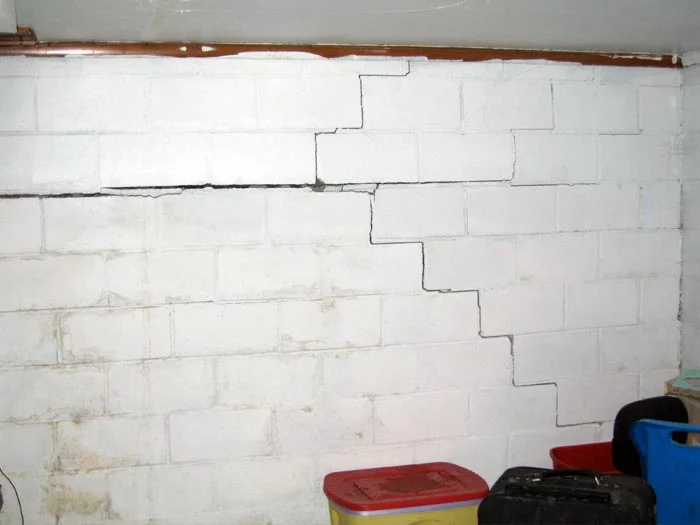
The first method is interior waterproofing. This is typically used when external waterproofing isn’t possible or cost-effective. It involves applying a waterproof coating or membrane to the inside of your basement walls to prevent water from penetrating.
It’s a quick and relatively inexpensive solution, but it doesn’t address water buildup outside your walls.
Next is external waterproofing. This involves excavating around your home to install a waterproof barrier on the outside of your basement walls.
It’s more expensive and labor-intensive than interior waterproofing, but it’s also more effective as it blocks water before it can reach your walls.
You can also use a method called drainage. This involves installing a system to collect water that seeps into your basement and divert it away from your home.
It’s a great solution if your basement is prone to flooding.
These are just a few options. Remember, the right method for you’ll depend on your specific situation.
Choosing the Right Waterproofing Solution
After exploring various waterproofing methods, it’s time to determine the one that will best suit your needs. Your choice hinges on several factors, but recognizing your specific requirements will guide you in the right direction.
Recognize that not all waterproofing solutions are created equal. The one you choose should be aligned with your basement’s condition and your home’s construction.
Here are three practical steps to lead you to the right solution:
- Identify Your Needs: Do you have minor leaks or major flooding? The severity of your basement’s condition will steer your decision.
- Consider Your Budget: High-end solutions might offer greater protection, but there are also cost-effective alternatives that provide decent coverage. Balance your needs with your financial constraints.
- Consult a Professional: This may seem obvious, but it’s essential. A professional can assess your situation and recommend a solution that fits your specific circumstances.
Choosing the right waterproofing solution isn’t just about finding the most expensive or the most popular option. It’s about understanding what your basement needs, considering your budget, and seeking expert advice.
The right choice will help prevent further cracks and leaks, ensuring your basement remains dry and safe.
Long-Term Benefits of Basement Waterproofing
Investing in basement waterproofing may seem like a significant upfront expense, but it’s a decision that can yield considerable long-term benefits. Beyond the immediate resolution of your wall-cracking issue, you’re making a long-term investment in your property.
Let’s explore a few of these benefits in more detail:
| Benefit | Description | Impact |
|---|---|---|
| Property Value | Waterproofing increases your home’s market value. | You’ll probably see a return on your investment if you decide to sell. |
| Energy Efficiency | A waterproofed basement reduces energy costs. | You’ll spend less on heating and cooling. |
| Health | It eliminates dampness, preventing mold growth. | You and your family will breathe easier. |
Over time, you’ll notice the savings on your energy bills. The absence of mold and mildew can also lead to fewer health problems, potentially saving you on medical costs. Furthermore, if you decide to sell your home in the future, a waterproofed basement could be a major selling point, increasing the overall value of your property. So, while it may seem expensive now, waterproofing your basement is a decision you won’t regret.
Frequently Asked Questions
What Is the Average Cost of Professional Basement Waterproofing?
You’re asking about basement waterproofing costs. On average, you’ll spend between $500 to $10,000 for professional services. It’s quite a range, but costs depend on the size of your basement and the waterproofing method used.
How Long Does a Waterproofing Treatment Typically Last?
You’re wondering about the longevity of waterproofing treatment. Typically, it can last for over 10 years. However, it’s dependent on the quality of work done and the severity of the moisture problem. Regular inspections will guarantee its effectiveness.
Is Waterproofing Necessary in All Types of Soil?
Surely, soil’s specifics considerably shape the necessity of waterproofing. But broadly, you’ll benefit from it, regardless of soil type. It’s about staving off moisture’s menace, not soil’s composition. You’re better off with it than without.
What Are Some DIY Methods for Basement Waterproofing?
You can use several DIY methods for basement waterproofing. You’ll need to seal any cracks with waterproofing paint or cement, apply a waterproofing membrane, or install a sump pump to handle excess water.
Can Waterproofing Increase the Value of My Home?
Absolutely, waterproofing can increase your home’s value. It not only prevents potential water damage, but it also makes your house more appealing to buyers. They’ll appreciate that they won’t have to deal with future water issues.
Conclusion
In the end, your basement’s health is in your hands. Don’t let it become a ticking time bomb of cracks and dampness. Waterproofing is the shield your home needs, keeping those menacing cracks at bay and ensuring a dry, sturdy fortress. By choosing the right waterproofing method, you’re not just fixing a problem; you’re investing in peace of mind. Remember, a stitch in time saves nine. So, nip those basement troubles in the bud and enjoy your safe, cozy haven.

Budget Dry is based in Killingworth, Connecticut and has been recognized as the areas leading basement waterproofing and foundation repair company.
We are passionate about providing the absolute best service to each home and homeowner we encounter, because we understand just how important your home is to you. We pride ourselves on our excellent customer service and use of cutting edge industry technology.
Budget Dry Basement Waterproofing is a leader in Basement waterproofing and basement restoration. Every Basement flood, leak or crack is evaluated thoroughly to ensure that we provide you with the best solution. So you can be secure and confident in the knowledge that Budget Dry treats the problem, not the symptom!