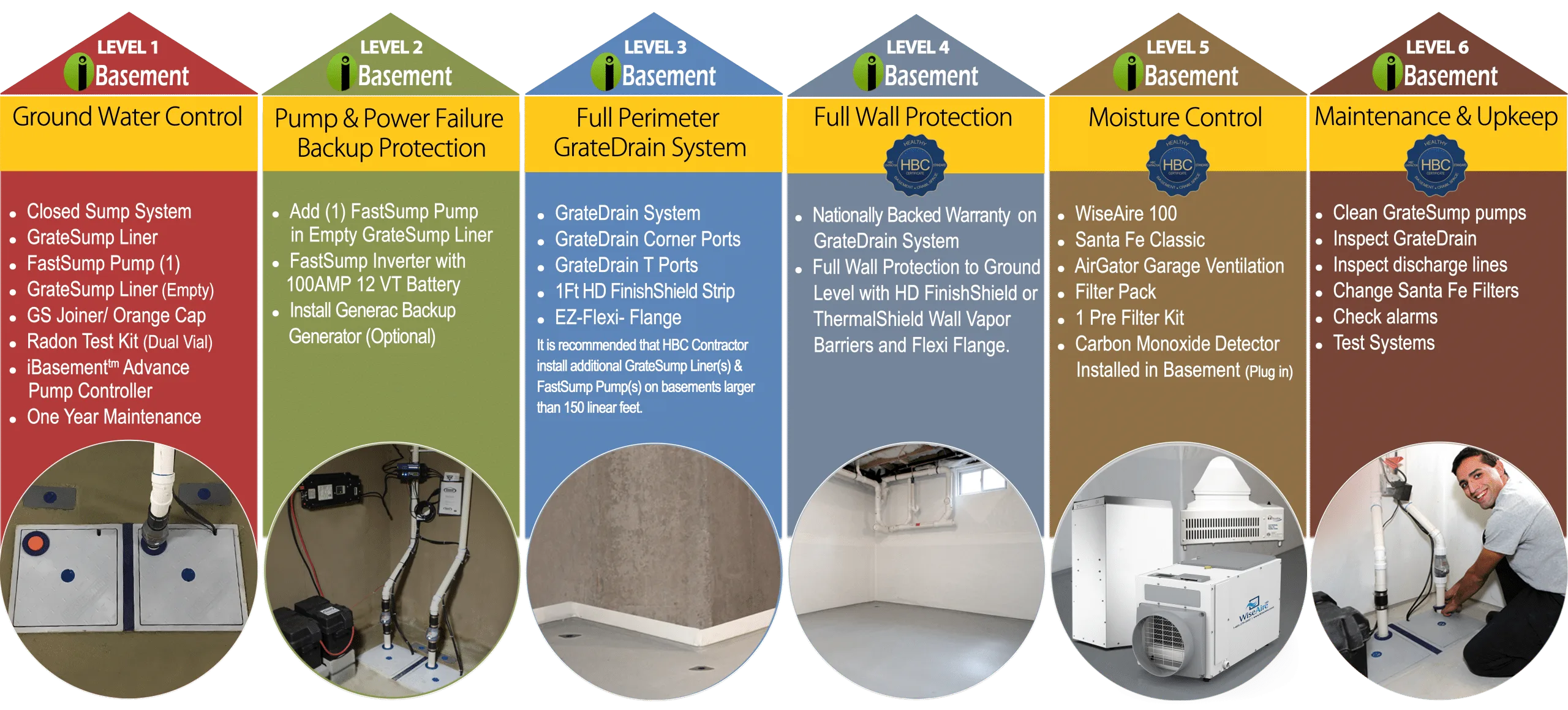
A sump pump is a vital component of your home’s waterproofing system, designed to keep your basement dry and your foundation safe. However, its effectiveness is limited without a reliable backup system. Power outages during storms or mechanical failures can leave your basement vulnerable to flooding. This comprehensive guide explores the options available, their benefits, and how to choose the best backup system for your sump pump.
Understanding the Need for a Backup System
Why Is a Backup System Essential?
Sump pumps rely on electricity, which is often compromised during severe weather—the same time you need them the most. A backup system ensures your sump pump operates during power outages or mechanical failures, providing uninterrupted protection.

Risks of Not Having a Backup System:
- Basement flooding and water damage.
- Mold growth due to prolonged dampness.
- Compromised foundation and structural integrity.
Types of Backup Systems
- Battery Backup Systems
Battery backups power the sump pump when electricity fails, ensuring continued operation.
- Advantages:
- Easy to install and maintain.
- Provides several hours of runtime depending on the battery capacity.
- Works automatically during power outages.
- Limitations:
- Batteries require regular maintenance and replacement.
- May not handle prolonged outages or high water influx.
- Water-Powered Backup Systems
These systems use municipal water pressure to pump water out of your basement when the primary pump fails.
- Advantages:
- No reliance on electricity or batteries.
- Ideal for homes with access to high water pressure.
- Limitations:
- Ineffective during low water pressure or restricted water supply.
- Not suitable for homes with private wells.
- Combination Systems
These integrate a primary sump pump and a backup pump into one unit, providing seamless operation during failures.
- Advantages:
- All-in-one solution for primary and backup needs.
- Automatic activation during outages.
- Limitations:
- Higher upfront cost.
- May require professional installation.
Factors to Consider When Choosing a Backup System
1. Duration of Protection Needed
- Battery systems are ideal for short outages (3–8 hours).
- Water-powered systems are better for extended outages, provided there’s water supply.
2. Pumping Capacity
Ensure the backup system matches or exceeds your primary pump’s capacity to handle high water influx during storms.
3. Maintenance Requirements
- Batteries require regular inspections and replacements every 2–3 years.
- Water-powered systems need periodic checks for water pressure consistency.
4. Installation Costs
- Battery systems are more affordable upfront, ranging from $300–$500, including installation.
- Combination systems and water-powered backups typically cost more but offer superior reliability.
How Backup Systems Work During Emergencies
Battery Backup in Action:
When the power goes out, the battery activates automatically, running the pump until electricity is restored. Advanced models include alarms and notifications to alert homeowners when the system is active.
Water-Powered Systems in Action:
These systems use water pressure to create a vacuum, effectively removing water from your sump pit. They require no manual intervention, making them a hands-free solution.
Advantages of Having a Backup System
- Peace of Mind:
Homeowners can rest assured their property is protected, even during severe weather. - Cost Savings:
Avoid expensive repairs from water damage, including mold remediation and foundation fixes. - Increased Home Value:
Buyers view backup systems as a sign of proactive maintenance, boosting property value.
Maintenance Tips for Backup Systems

- Test Regularly:
Perform monthly tests to ensure the backup system is functional. - Inspect Batteries:
Check battery fluid levels and recharge if necessary. Replace every few years as recommended. - Monitor Alarms:
Many systems come with alarms that indicate issues. Address these promptly to avoid failures. - Check Valves and Pipes:
Ensure water-powered systems have clear, unobstructed pipes to maintain optimal performance.
Professional Installation vs. DIY
While some homeowners may consider installing backup systems themselves, professional installation ensures proper setup, optimal performance, and warranty coverage. Professionals also provide guidance on system selection based on your home’s specific needs.
Invest in Reliable Protection
Choosing the right backup system for your sump pump is an investment in your home’s safety and longevity. Whether you opt for a battery-powered, water-powered, or combination system, the peace of mind it provides is invaluable. By ensuring your sump pump operates during critical moments, you protect your basement, foundation, and family from the devastating effects of water damage.

Budget Dry is based in Killingworth, Connecticut and has been recognized as the areas leading basement waterproofing and foundation repair company.
We are passionate about providing the absolute best service to each home and homeowner we encounter, because we understand just how important your home is to you. We pride ourselves on our excellent customer service and use of cutting edge industry technology.
Budget Dry Basement Waterproofing is a leader in Basement waterproofing and basement restoration. Every Basement flood, leak or crack is evaluated thoroughly to ensure that we provide you with the best solution. So you can be secure and confident in the knowledge that Budget Dry treats the problem, not the symptom!