
Basement waterproofing is a critical aspect of home maintenance, as it ensures the protection of your home’s foundation and the health of its inhabitants. Water intrusion in basements can lead to a multitude of issues, including structural damage, mold growth, and poor indoor air quality. In this comprehensive guide, we will explore the importance of basement waterproofing, various methods available, and the benefits of hiring professionals for the job.
The Importance of Basement Waterproofing
- Preventing Structural Damage Water can cause significant damage to a home’s foundation, leading to cracks, settling, and even severe structural issues. Waterproofing your basement helps to maintain the integrity of your home’s foundation and prevents costly repairs.
- Mold and Mildew Prevention Moisture in the basement creates an ideal environment for mold and mildew growth. These fungi can spread quickly, causing health problems for occupants and damaging building materials. Waterproofing keeps the basement dry and inhibits mold growth.
- Protecting Personal Belongings Basements often serve as storage areas for valuable items such as furniture, electronics, and important documents. Waterproofing protects these belongings from water damage and potential loss.
- Improving Indoor Air Quality A damp basement can lead to poor indoor air quality as mold spores and musty odors permeate the home. Waterproofing helps maintain a healthy living environment by keeping the basement dry and clean.
- Enhancing Property Value A well-maintained, dry basement can significantly increase the value of your home. Potential buyers are more likely to be interested in a property with a waterproofed basement, knowing it is protected from water damage and related issues.
Common Basement Waterproofing Methods
Interior Waterproofing
Interior waterproofing methods focus on managing water that has already entered the basement. These methods are typically less invasive and less expensive than exterior waterproofing.
a. Sealants and Coatings
- Description: Sealants and waterproof coatings are applied to the interior walls and floors to prevent water from seeping through cracks and pores.
- Benefits: Easy to apply and cost-effective, suitable for minor water issues.
- Limitations: May not be sufficient for severe water problems or structural issues.
Interior Drainage Systems
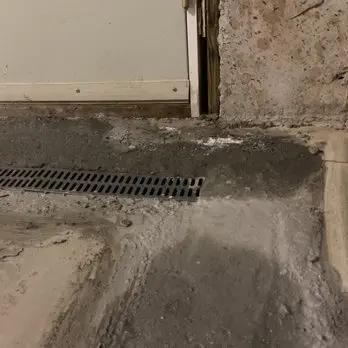
- Description: Interior drainage systems, such as French drains or weeping tile systems, collect water that enters the basement and direct it to a sump pump for removal.
- Benefits: Effective at managing water that enters the basement, can be installed without major excavation.
- Limitations: Requires a sump pump to remove collected water, may need regular maintenance.
Exterior Waterproofing
Exterior waterproofing methods aim to prevent water from entering the basement in the first place. These methods are more comprehensive but can be more expensive and invasive.
a. Exterior Drainage Systems
- Description: Exterior drainage systems, such as French drains or perimeter drains, are installed around the foundation to redirect water away from the home.
- Benefits: Provides robust protection against water intrusion, addresses the root cause of water issues.
- Limitations: Requires excavation around the foundation, can be costly and disruptive.
b. Waterproof Membranes and Coatings
- Description: Waterproof membranes and coatings are applied to the exterior foundation walls to create a barrier against water infiltration.
- Benefits: Highly effective at preventing water intrusion, long-lasting protection.
- Limitations: Requires excavation and professional installation, can be expensive.
Sump Pumps
a. Primary Sump Pumps
- Description: Primary sump pumps are installed in a sump pit to remove water that accumulates in the basement.
- Benefits: Efficient at removing large volumes of water, essential for homes with high water tables.
- Limitations: Requires regular maintenance and a reliable power source.
b. Battery Backup Sump Pumps
- Description: Battery backup sump pumps provide an additional layer of protection in case of power outages or primary pump failure.
- Benefits: Ensures continued operation during power outages, provides peace of mind.
- Limitations: Requires maintenance of the battery system, additional cost.
Waterproofing Additives and Concrete Admixtures
a. Waterproofing Additives
- Description: Waterproofing additives are mixed into concrete during construction to enhance its water resistance.
- Benefits: Integrates waterproofing into the construction process, long-lasting protection.
- Limitations: Only applicable during new construction or major renovations, may increase construction costs.
b. Concrete Admixtures
- Description: Concrete admixtures are chemicals added to the concrete mix to improve its properties, including water resistance.
- Benefits: Enhances the durability and water resistance of concrete, useful for new construction and repairs.
- Limitations: Requires precise mixing and professional application, additional cost.
Benefits of Hiring Professional Waterproofing Services
- Expert Assessment and Solutions Professional waterproofing contractors have the expertise to accurately assess the condition of your basement and recommend the most effective solutions. They can identify the root cause of water problems and provide comprehensive waterproofing plans.
- Quality Materials and Workmanship Professionals use high-quality materials and advanced techniques to ensure effective and long-lasting waterproofing. Their workmanship is backed by experience and often comes with warranties, providing homeowners with peace of mind.
- Safety Considerations Basement waterproofing can involve working in confined spaces and handling hazardous materials. Professionals are trained to perform these tasks safely, minimizing the risk of accidents and ensuring compliance with building codes and regulations.
- Time and Cost Efficiency While hiring professionals may seem expensive initially, it can save time and money in the long run. Proper waterproofing prevents costly repairs due to water damage, mold remediation, and structural issues. Professionals can complete the job efficiently and effectively, reducing the risk of future problems.
- Long-term Protection Professional waterproofing solutions are designed to provide long-term protection against water intrusion. By investing in professional services, homeowners can ensure the durability and integrity of their basements, enhancing the overall value and longevity of their homes.
DIY vs. Professional Waterproofing
While some homeowners may consider DIY waterproofing, it’s important to weigh the risks and benefits. DIY methods can be effective for minor issues, but they often lack the comprehensive approach and expertise of professional services.
- DIY Waterproofing
- Pros: Cost-effective, suitable for minor repairs, immediate action.
- Cons: Limited effectiveness for major issues, risk of incomplete solutions, potential for increased damage if done incorrectly.
- Professional Waterproofing
- Pros: Comprehensive assessment, high-quality materials, long-term solutions, safety, and compliance.
- Cons: Higher upfront cost, requires hiring a reputable contractor.
Maintenance and Monitoring
Even after waterproofing, regular maintenance and monitoring are essential to ensure the long-term effectiveness of the waterproofing measures. Homeowners should:
- Inspect Regularly Conduct regular inspections of the basement to check for signs of moisture, cracks, or mold.
- Maintain Drainage Systems Ensure that gutters, downspouts, and drainage systems are functioning properly and directing water away from the home.
- Test Sump Pumps Test sump pumps periodically to ensure they are working correctly and have backup power sources available.
- Control Humidity Use dehumidifiers to maintain appropriate humidity levels in the basement and prevent mold growth.
- Address Issues Promptly If any problems are detected, address them immediately to prevent further damage.
Basement waterproofing is a vital aspect of home maintenance that protects the structure and ensures a healthy living environment. By understanding the various waterproofing methods and their benefits, homeowners can make informed decisions and invest in effective solutions. Whether opting for interior or exterior waterproofing, sump pumps, or waterproofing additives, professional waterproofing services provide comprehensive protection against moisture-related issues. Regular maintenance and monitoring further ensure the long-term effectiveness of these measures, safeguarding your home and enhancing its value.
Contact the Professionals at Budget Dry Waterproofing Today! 203-421-8560

Budget Dry is based in Killingworth, Connecticut and has been recognized as the areas leading basement waterproofing and foundation repair company.
We are passionate about providing the absolute best service to each home and homeowner we encounter, because we understand just how important your home is to you. We pride ourselves on our excellent customer service and use of cutting edge industry technology.
Budget Dry Basement Waterproofing is a leader in Basement waterproofing and basement restoration. Every Basement flood, leak or crack is evaluated thoroughly to ensure that we provide you with the best solution. So you can be secure and confident in the knowledge that Budget Dry treats the problem, not the symptom!