
Walking down into your basement after a heavy Connecticut rainstorm only to find water pooling along the edges of the floor is a frustrating experience for any homeowner. You might notice thin streams of water trickling along the perimeter, damp concrete edges, or full-blown puddles forming in the corners.
This specific spot where the basement wall meets the concrete floor slab is known as the cove joint. While it might look like a single broken seam, water entering here is a classic warning sign of subterranean pressure building up outside and under your foundation. Understanding why this happens—and why temporary surface fixes fail—is the first step toward securing a permanently dry basement.
Understanding the Cove Joint: Why Water Seeps in at the Perimeter
What Is the Cove Joint?
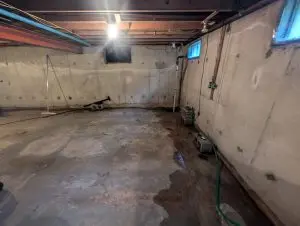
When a home is constructed, the concrete foundation footings are poured first, followed by the foundation walls. Later, the basement floor slab is poured between those walls. Because poured concrete does not bond seamlessly to existing cured concrete, a natural seam or gap remains where the wall meets the floor slab. This seam is the cove joint.
The Role of Hydrostatic Pressure in Connecticut Soils
Connecticut soils—particularly rich in dense clay and glacial till—hold significant amounts of water during seasonal thaws and heavy nor’easters. When heavy rains or melting snow saturate the ground surrounding your foundation, the water table rises.
This excess water creates hydrostatic pressure, pushing forcibly against your foundation from two directions:
- Lateral pressure: Water pushing horizontally against foundation walls.
- Upward pressure: Water beneath the floor slab pushing upward against the concrete.
As water seeks the path of least resistance, it finds the cove joint seam and forces its way onto your basement floor.
Why Surface Sealants and Hydraulic Cement Fail
Many homeowners attempt to solve cove joint leaks by applying hydraulic cement, waterproof caulk, or thick masonry paint over the gap. Unfortunately, surface sealants only act as temporary band-aids. Because hydrostatic pressure acts from underneath and outside, trapped water will quickly blow through surface patches or force its way up through surrounding slab cracks.
Warning Signs Accompanying Cove Joint Leaks
Cove joint water intrusion rarely happens in isolation. Homeowners usually spot several accompanying red flags:
- Efflorescence: A white, powdery mineral deposit left behind on lower wall edges as water evaporates.
- Musty Odors & High Humidity: Persistent damp smells that drift into upper living areas, often pointing to hidden mold spores.
- Water Pooling After Rain: Recurrent puddling that appears exclusively around the perimeter after intense rainfall or rapid snowmelt.
Permanent Solutions for Cove Joint Water Seepage
To stop a cove joint leak permanently, you must relieve the hydrostatic pressure beneath the basement slab rather than attempting to block it from above.
1. Interior Sub-Slab Perimeter Drainage Systems
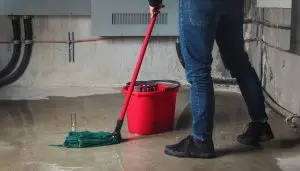
The gold standard for fixing cove joint seepage involves installing an interior drain tile system beneath the concrete floor. Technicians open a narrow channel around the inside perimeter of the floor, place a perforated drainage pipe in a bed of washed stone, and restore the concrete flush with your floor. This creates a dedicated channel that intercepts water before it ever reaches the surface.
2. High-Capacity Sump Pump & Battery Backup Integration
The perimeter drain system routes intercepted water directly into a heavy-duty sump pump system. Equipped with a battery backup system (such as the iBasement Pro controller), the system pumps water safely up and away from your foundation wall, keeping your basement dry even during severe grid power outages.
3. Wall Vapor Barriers
Combining interior drainage with a heavy-duty wall vapor barrier ensures that any wall seepage or moisture condensation gets directed down behind the barrier straight into the sub-slab drain line.
Frequently Asked Questions
Can I seal the floor-to-wall joint from the inside with caulk or hydraulic cement?
No. Sealing the surface traps water underneath the slab, allowing hydrostatic pressure to build up until water forces its way through new cracks or higher up the wall.
Does homeowners insurance cover water leaking through the cove joint?
Standard homeowners insurance policies generally exclude damage caused by subterranean water seepage or rising water tables unless you carry a specific rider or endorsement for water backup.
How long does it take to repair a cove joint leak with an interior drain system?
Most residential interior perimeter drain installations take only 1 to 2 days, providing immediate protection with minimal disruption to your home.
Don’t let hydrostatic pressure damage your foundation. Schedule a Free In-Home Basement Inspection with Budget Dry Waterproofing today to protect your Connecticut home!

Budget Dry is based in Killingworth, Connecticut and has been recognized as the areas leading basement waterproofing and foundation repair company.
We are passionate about providing the absolute best service to each home and homeowner we encounter, because we understand just how important your home is to you. We pride ourselves on our excellent customer service and use of cutting edge industry technology.
Budget Dry Basement Waterproofing is a leader in Basement waterproofing and basement restoration. Every Basement flood, leak or crack is evaluated thoroughly to ensure that we provide you with the best solution. So you can be secure and confident in the knowledge that Budget Dry treats the problem, not the symptom!