
Evaluate the true return on investment of crawl space encapsulation. Learn how sealing out dirt floor moisture protects structural wood and cuts heating costs.
For many homeowners, the area directly beneath their floorboards is a classic case of out of sight, out of mind. Yet, if your home is built over an open dirt foundation or an unconditioned crawl space, that dark area downstairs is likely acting as an invisible money pit. It may be causing rotting wood framing, spiking your monthly energy bills, and circulating strange, musty odors through your family’s living spaces.
If you are trying to decide whether crawl space encapsulation is worth the upfront investment, you need to look at the underlying science of how air moves through a house. Transitioning an open, humid crawl space into a completely sealed, moisture-controlled environment is not just an aesthetic upgrade—it is a vital home efficiency investment that protects your home’s structural stability and pays for itself over time.
What Happens When You Leave a Crawl Space Open and Unsealed?
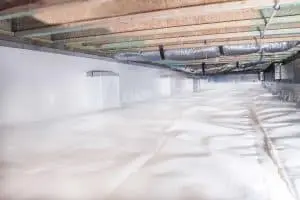
An open crawl space with a dirt floor is constantly exposed to changing ground moisture levels. Ground soils naturally retain massive amounts of water, which evaporates continuously into the air directly underneath your main floor framing.
The Hidden Damage of Earth-Saturated Moisture
When this raw, unmanaged water vapor rises, it settles straight into the porous wooden floor joists and subflooring supporting your home. Over time, this chronic moisture exposure triggers dry rot, which physically softens and weakens the wood framing. As the joists lose their structural integrity, you will begin to notice bouncing, squeaking, or visibly sagging sections across your first-floor living space.
The Winter and Summer Energy Drain
Many traditional homes were built with open foundation vents, based on the outdated theory that cross-ventilation would keep the space dry. In reality, these vents act as massive thermal holes. In the winter, they draw freezing air directly under your heated rooms, chilling your HVAC air ducts and forcing your furnace to work twice as hard. In the summer, they pull in hot, humid air that hits the cooler crawl space temperatures, causing rapid condensation and forcing your air conditioning system into continuous overdrive.
Key Signs Your Crawl Space Needs an Immediate Upgrade
You don’t necessarily have to crawl under your home with a flashlight to know you have an under-floor moisture crisis. Look for these common household warning signs:
- Bouncing or Soft First-Floor Framing: A noticeable spring, sag, or uneven dip when walking across hardwood, laminate, or tile floors.
- Stubborn First-Floor Musty Odors: Earthy, damp smells that persist in your living areas, even when running high-end interior air purifiers.
- Spikes in Seasonal Allergy Symptoms: Mold spores and dust mites thrive in high-humidity crawl spaces and migrate upward into your living spaces via the “stack effect” (natural upward air currents in a home).
- High Indoor Humidity Levels: Great difficulty keeping your indoor relative humidity below 60% during warm summer months, making your home feel perpetually sticky.
Real ROI: How Encapsulation Pays for Itself
While a complete encapsulation requires an upfront financial commitment, it transforms an ongoing structural liability into an efficiency engine. The table below outlines how an unsealed crawl space compares directly to a fully encapsulated environment:
| Long-Term Financial Metric | Unsealed Dirt Crawl Space | Fully Encapsulated Crawl Space |
|---|---|---|
| Average Monthly Energy Impact | Spikes utility bills by 10% to 15% due to continuous HVAC strain | Reduces heating and cooling costs by up to 15% to 18% |
| Structural Wood Longevity | Vulnerable to wood rot, wood-boring insects, and structural sagging | Kept bone-dry, permanently stopping wood rot and decay |
| Pest and Insect Risk | High; open dirt attracts termites, wood beetles, and rodents | Sealed out completely by heavy-duty, mechanical liners |
| Home Resale Protection | Often causes massive price cuts during buyer home inspections | Certified dry space backed by a permanent, Transferable Warranty |
Inside the Encapsulation Process
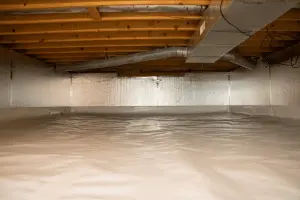
A professional encapsulation involves an engineered sequence designed to permanently isolate your home from the damp ground below:
- Water Mitigation: Any existing standing puddles or seasonal groundwater seepage issues are corrected by installing a dedicated sump pump system.
- Structural Prep & Mold Treatment: Technicians clear out debris, insulate the perimeter rim joists, and treat any existing surface mold growth on the wooden floor structure.
- The Vapor Barrier Armor: A thick, multi-ply, puncture-resistant antimicrobial liner is rolled out across the entire dirt floor and sealed permanently up the foundation walls.
- Active Climate Control: A specialized, heavy-duty low-temperature dehumidifier is installed to permanently maintain the crawl space air humidity at a safe, stable 45% to 50%.
Frequently Asked Questions About Crawl Space Encapsulation
Q: Can I just put down a cheap sheet of thin plastic from a hardware store?
A: No. Thin hardware store plastic tears easily when crawled on, slides out of position, and lacks antimicrobial treatments. Mold can quickly grow directly underneath it, trapping moisture and worsening indoor odors. A professional encapsulation requires thick, multi-ply commercial liners that are mechanically fastened and permanently sealed to the masonry walls.
Q: Do I keep my crawl space vents open or closed after encapsulation?
A: They must be completely closed, sealed, and insulated. The entire goal of encapsulation is to transform your crawl space into a clean, conditioned indoor environment. Leaving the foundation vents open completely defeats the system by allowing outside humidity and unconditioned air back inside.
Q: How long does a professional crawl space liner last?
A: Premium, commercial-grade vapor barriers are engineered for extreme long-term durability. When professionally installed, detailed, and maintained, these heavy-duty systems easily last for 25+ years or the remaining lifetime of the home.
Take Control of Your Home’s Foundation: Stop letting an unsealed crawl space drain your monthly energy budget and threaten your home’s structural health. Contact the encapsulation specialists at Budget Dry Waterproofing today to schedule your comprehensive, free under-floor technical inspection and discover the real value of a healthy home.

Budget Dry is based in Killingworth, Connecticut and has been recognized as the areas leading basement waterproofing and foundation repair company.
We are passionate about providing the absolute best service to each home and homeowner we encounter, because we understand just how important your home is to you. We pride ourselves on our excellent customer service and use of cutting edge industry technology.
Budget Dry Basement Waterproofing is a leader in Basement waterproofing and basement restoration. Every Basement flood, leak or crack is evaluated thoroughly to ensure that we provide you with the best solution. So you can be secure and confident in the knowledge that Budget Dry treats the problem, not the symptom!