
Ever had water damage in your home? It’s a nightmare, isn’t it? An effective interior drainage system can be your unsung hero, acting as a barrier between your home and potential water damage. You’ll find various types such as French drains, sump pumps, and channel drains, all playing a crucial role in protecting your home’s foundation. But what goes into installing and maintaining these systems? And how essential is their role really in safeguarding your property’s value? There’s more to interior drainage systems than meets the eye, and understanding them can save you a lot of trouble down the line.
Key Takeaways
- Interior drainage systems, such as French drains and sump pumps, protect buildings from water damage by channeling water away from foundations.
- Proper installation and maintenance, including regular cleaning and inspections, are crucial for efficient functioning of interior drainage systems.
- Common problems include clogs and broken pipes, but advancements like smart drains and hydro jetting offer efficient solutions.
- The selection of an appropriate system should consider factors like soil type, home age, and local climate.
- Regular maintenance enhances home safety and value by preventing costly repairs and detecting issues early.
Understanding Interior Drainage Systems
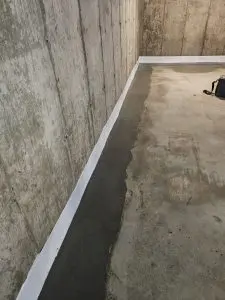
While you may not realize it, your home’s interior drainage system plays an essential role in maintaining the structural integrity of your building. It’s more than just pipes and plumbing. This system is designed to manage water that finds its way into your home, channeling it safely away to prevent damage to your foundation and interiors.
When functioning correctly, your interior drainage system remains largely out of sight and out of mind, quietly doing its job.
You’ve got trenches dug at specific angles, usually along the perimeter of your home’s foundation. These trenches, filled with gravel and a perforated pipe, are your home’s first line of defense against water intrusion.
The water that enters these trenches is routed through the pipe and directed to a sump pump. This pump’s job is to push the water out of your home, usually into your yard or the municipal storm drain.
It’s a system that requires regular maintenance to keep it functioning smoothly.
Importance of Efficient Drainage
Every drop of water that enters your home has the potential to cause considerable damage if not properly managed. That’s why an efficient drainage system is essential. It’s not just about preventing puddles in your basement; it’s about safeguarding your home’s foundation and integrity.
A well-functioning interior drainage system is your best defense against water damage. Whether it’s rainwater seeping in or a burst pipe, your drainage system is designed to direct water away from areas where it can wreak havoc. When it’s working effectively, you’ll barely notice it. But when it fails, the consequences can be severe and costly.
Poor drainage can lead to dampness, mold growth, and structural damage. Long-term exposure to a damp environment can cause respiratory issues among family members. Furthermore, structural damage due to water can greatly decrease your property’s value. It’s a nightmare you don’t want to face.
Simply put, an efficient drainage system isn’t just a nice-to-have; it’s a must-have. It’s your home’s silent protector, working tirelessly to keep you dry, healthy, and safe.
Different Types of Interior Drains
Now, let’s take a look at the various types of interior drains you might encounter.
Each one has unique features and installation methods that you’ll need to understand.
Popular Interior Drain Varieties
There’s a wide array of interior drain varieties that cater to different needs and scenarios.
You’ve got the French drain, a popular choice for many homeowners. It’s designed to redirect water away from your home, preventing it from seeping into your foundation.
Then, there’s the sump pump system which is ideal for basements susceptible to flooding. It works by collecting water into a sump basin and pumping it out of your home.
Another popular variety is the channel drain, often used in areas like driveways or patios. It’s perfect for handling large volumes of water.
For commercial buildings or homes with flat roofs, the roof drain is a must-have. It helps manage rainwater, directing it away from the roof to prevent damage.
Lastly, let’s not forget the simple yet effective floor drain. It’s commonly found in bathrooms, laundry rooms, and basements, designed to handle spills and minor flooding.
Remember, each drain type has its own strengths and uses. Understanding your needs will help you choose the most suitable interior drain for your home.
In the next section, we’ll discuss how to correctly install these systems.
Installing Interior Drains Correctly
Installing interior drains correctly is a task that requires careful planning and execution. You’ll need to understand the different types of interior drains and their specific installation procedures.
Firstly, consider the type of drain that best suits your needs. French drains, for example, are commonly used for basement waterproofing. These require a trench to be dug around the perimeter of the basement, where the pipe is laid and covered with gravel.
Alternatively, you might opt for a channel drain, which is installed in specific areas where water collects. Channel drains are typically easier to install, requiring you to cut a channel in the floor, place the drain, and then seal it with concrete.
Regardless of the type, you must make sure that the drain slopes towards the sump pump or exit point. This allows water to flow away from your property, preventing any potential damage.
Remember to always double-check your work. Incorrect installation can lead to inefficiency and even damage.
If you’re unsure, it’s best to hire a professional. They’ll have the expertise to install your interior drain correctly, guaranteeing ideal performance and longevity.
Building and Installing Drainage Systems
You’re ready to move to the next step: building and installing your drainage system.
Let’s start with understanding the basics of construction, then move on to essential installation procedures.
Drainage System Construction Basics
When commencing the task of building and installing a drainage system, understanding the basics is paramount.
You’ll first need to understand the purpose of the system. It’s designed to divert water away from your property, ensuring that it doesn’t cause damage or lead to damp and mold.
Next, contemplate the layout. You’ll need to determine the best route for the water to flow. This often involves directing it towards a low-lying area, such as a storm drain or a ditch.
You’ll also need to think about the gradient – this is the angle at which the pipes are laid. It’s important because it influences the speed at which the water flows.
Finally, you’ll need to select the right materials. Pipes are typically made from plastic or clay, and they’re available in different sizes.
You’ll also need to take into account the type of soil you’re working with, as some types may require additional measures, like installing a waterproof lining.
Essential Installation Procedures
Having grasped the fundamental aspects of drainage system construction, it’s time to put those concepts into practice.
Here’s an overview of the installation procedures you’ll need to follow:
- First, you’ll need to dig a trench. This has to be done along the perimeter of your home, ensuring that it’s deep enough to house your drainage pipe.
- Next, you’re tasked with installing a footing drain. This is a perforated pipe that you’ll place at the bottom of your trench.
- Then, you’ll cover the drain with gravel. This acts as a filter, preventing dirt and debris from clogging up your system.
- After this, you have to install a vapor barrier. This is a protective layer that prevents moisture from seeping into your basement.
- Finally, you’ll cover everything up with soil. It’s important to compact the soil properly to avoid any future settling issues.
Maintaining Your Drainage System
Keeping your drainage system in prime condition is a must if you want to avoid expensive repair costs down the line. Regular maintenance isn’t as intimidating as it sounds, and it’s definitely worth the effort.
First, you’ll need to clean your drainage system regularly. This task involves removing any debris or dirt that’s accumulated over time. You can use a high-pressure water jet to dislodge stubborn blockages. Be careful not to damage your pipes while doing so.
Next, you’ll want to inspect your drainage system for any signs of damage. Look out for cracks or leaks that could potentially worsen if left unattended. You can perform a visual inspection yourself, or hire a professional if you’re unsure.
Lastly, consider having your drainage system routinely serviced by a professional. They’ll be able to spot any issues you might’ve missed and guarantee your system is running smoothly.
Maintenance Tips for Your Drains
Proper maintenance of your interior drainage system is essential to prevent any potential problems. Neglecting this vital aspect can lead to issues that aren’t just inconvenient, but can also be quite costly.
So, let’s explore some key maintenance tips to keep your drains in top shape.
- Regularly clean your drains. A simple mixture of vinegar and baking soda can do wonders in keeping your drains clear of debris and buildup.
- Install strainers in your sinks and tubs. These can catch hair, food particles, and other potential clog-causing materials.
- Avoid flushing non-degradable items down your toilet. Items like paper towels, wet wipes, and hygiene products can seriously clog your drains.
- Use enzyme-based drain cleaners instead of chemical ones. They’re less harmful to your pipes and the environment.
- Schedule professional inspections and cleaning at least once a year. Experts can identify potential issues before they become big problems.
Common Drainage System Problems
While you’re doing your best to maintain your drains, problems can still arise. Some are as simple as minor clogs, while others can be more severe, like broken pipes. Don’t you worry though, we’re here to help you identify these issues.
Clogs are a common issue. They’re often caused by an accumulation of debris, like hair, grease, or food particles. When you notice water draining slower than usual, it’s often a clear sign of a clog.
Broken pipes, on the other hand, can be a homeowner’s nightmare. They can lead to flooding and extensive water damage. Indicators include wet spots on floors or walls, and an unexpected increase in your water bill.
For a quick reference, here’s a table highlighting these common issues:
| Problem | Indicator |
|---|---|
| Clog | Slow draining water |
| Broken Pipe | Wet spots, High water bill |
Advanced Drainage Technologies
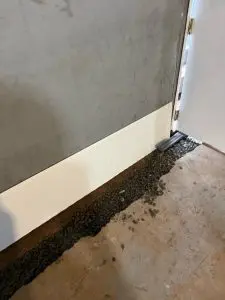
Ever wondered how technology can enhance your home’s drainage system? Well, it’s time to explore the world of advanced drainage technologies.
These modern solutions have revolutionized the way we handle water in our homes, providing efficient, reliable, and less invasive methods for managing drainage.
Let’s investigate some of these cutting-edge technologies:
- Sump Pumps: These are automated devices that collect excess water and pump it away from your home. They’re especially useful in areas susceptible to flooding or with high groundwater levels.
- French Drains: This isn’t a new technology, but recent advances have made them more effective and easier to install.
- Smart Drains: Equipped with sensors, these drains can alert you to blockages or leaks before they become a major problem.
- Hydro Jetting: This process uses high-pressure water to clean and clear your drainage pipes, a step up from traditional snaking methods.
- Trenchless Pipe Repair: This technology allows for the repair of damaged pipes without the need for extensive digging, saving you time and preserving your landscape.
Choosing the Right Drainage System for Your Home
Before diving into the details, it’s crucial to understand that not every drainage system is suitable for all types of homes. Your home’s specific needs, location, and the nature of water issues you’re facing will guide your decision.
First, consider the type of soil around your home. Clay-rich soil drains poorly, so you’ll need a system that can handle heavy loads. Sandy soil drains well, but it can erode. In this case, a system that slows down water flow could be beneficial.
Next, take into account your home’s age and construction. Older homes may require more robust systems to handle potential structural issues, while newer homes can often get by with simpler solutions.
Lastly, think about your local climate. If you’re in a rainy area, you’ll need a system that can handle high volumes of water. In drier climates, a less-intensive system may suffice.
Don’t hesitate to seek professional advice. Experts can assess your situation and suggest the most suitable option for your home.
So, now you’ve got the lowdown on interior drainage systems. Remember, they’re essential for keeping your home safe and dry. Choose the right type for your needs, install it correctly, and stick to regular maintenance. Watch out for common issues and embrace advanced technologies. By doing this, you’ll effectively manage water intrusion and protect your home’s value. After all, a little knowledge and proactive care can save you a lot of trouble down the line.

Budget Dry is based in Killingworth, Connecticut and has been recognized as the areas leading basement waterproofing and foundation repair company.
We are passionate about providing the absolute best service to each home and homeowner we encounter, because we understand just how important your home is to you. We pride ourselves on our excellent customer service and use of cutting edge industry technology.
Budget Dry Basement Waterproofing is a leader in Basement waterproofing and basement restoration. Every Basement flood, leak or crack is evaluated thoroughly to ensure that we provide you with the best solution. So you can be secure and confident in the knowledge that Budget Dry treats the problem, not the symptom!