
When it comes to older homes, waterproofing the basement can be a bit of a challenge. You might have tried various methods, but none seem to give you the long-lasting results you desire. But, what if you’re just not using the right techniques? Consider assessing your home’s exterior drainage, inspecting for foundation cracks, or even installing a sump pump. And let’s not forget the importance of choosing the right waterproofing materials. Intrigued? Let’s unpack these solutions further to help you make your home’s basement a dry and healthy space.
Essential Basement Waterproofing Tips for Older Homes
- Assess foundation cracks and drainage issues, as these can lead to water seepage in older homes.
- Use appropriate waterproofing materials such as silicate-based sealers, liquid rubber, or cementitious coatings, tailored to your basement’s needs.
- Install a sump pump to collect and prevent excess water buildup, crucial in preventing basement floods in older homes.
- Regular maintenance and monitoring of waterproofing systems, including sump pumps and sealers, is essential for their longevity and effectiveness.
- Consider hiring professional waterproofing services with expertise in older homes to ensure a thorough and effective waterproofing process.
Understanding Basement Moisture Problems
In older homes, it’s common to encounter basement moisture problems. You might notice damp walls, a musty smell, or even see visible mold growth. These are signs that you need to take action immediately to prevent further damage.
Mold prevention is key when dealing with basement moisture. Mold thrives in damp, dark areas, making your basement the perfect breeding ground. If not addressed promptly, it can lead to serious health issues for you and your family.
It’s important to keep your basement dry and clean to prevent mold growth.
Humidity control is another crucial aspect. High humidity levels in your basement can lead to condensation, which encourages mold growth and can damage your home’s structure.
Invest in a good dehumidifier to regulate the humidity levels in your basement, ensuring it stays dry and safe.
Exterior Waterproofing Solutions
Now, let’s turn our attention to exterior waterproofing solutions for your older home.
Assessing any exterior damage is your first step, followed by selecting the right waterproofing materials.
Lastly, we’ll discuss how to implement effective drainage solutions to keep your basement dry.
Assessing Exterior Damage
Before diving into exterior waterproofing solutions, let’s take a crucial first step – assessing any exterior damage on your older home. This inspection should primarily focus on two key areas: foundation cracks and drainage issues.
First, let’s talk about foundation cracks. These are more than just unsightly. They can be the gateway for water to seep into your basement, causing extensive damage over time. Inspect your home’s foundation carefully. Look for any signs of cracking or crumbling. Even small, hairline fractures can expand with time and weather changes, allowing water to seep in.
Next, turn your attention to possible drainage issues. Pools of water near your home’s foundation are a clear sign of a problem. Poor drainage can lead to water pressure building up against your home, pushing water into any available space, including through those foundation cracks we just discussed.
Check for clogged gutters, downspouts not directing water away from the house, and landscape grading that may be directing water towards your home instead of away from it.
Taking the time now to assess these issues can save you a lot of hassle in the future. It’s the first step towards a dry, safe, and healthy basement in your older home.
Choosing Waterproofing Materials
After you’ve assessed your home’s exterior damage, it’s time to choose the right waterproofing materials. Your choice will largely depend on the waterproofing types best suited for your home’s exterior.
Prioritize material durability to ensure long-lasting protection against water damage.
Consider the following when choosing waterproofing materials:
- Silicate-Based Sealers: These work best with walls that haven’t been painted or sealed, penetrating to form a waterproof barrier.
- Acrylic Formula: This paint-like substance can be applied easily, providing a waterproof layer.
- Liquid Rubber: This waterproofing type fills in cracks and holes, creating a watertight seal.
- Crystalline Waterproofing Material: This material reacts with water and un-hydrated cement particles to create insoluble crystals, blocking water passages.
- Cementitious Coatings: These offer a rigid waterproofing solution, ideal for spaces not exposed to sunlight or weathering.
Implementing Drainage Solutions
Implementing drainage solutions is an essential step in basement waterproofing, especially for older homes. Your home’s foundation might be robust, but without suitable drainage systems, water can still find a way in, causing dampness and structural damage over time.
Exterior waterproofing is crucial in water diversion. It’s about redirecting water away from your house, rather than dealing with it once it’s entered. It’s the first line of defense and your best chance at keeping your basement dry.
Start by checking your gutters and downspouts. They’re there for a reason: to channel rainwater away from your home. If they’re clogged or broken, they aren’t doing their job and you’re inviting water in.
Next, consider installing a French drain. This is a trench filled with gravel or rock containing a perforated pipe that redirects surface water away from your house. They’re effective, but they do require professional installation.
Interior Water Drainage Techniques
When it comes to older homes, one effective method for managing water intrusion is by employing interior water drainage techniques.
These are designed to handle water that has already made its way into your home, helping to control basement humidity and prevent further damage.
Interior drainage systems are your best friend when it comes to keeping your old home dry from the inside out.
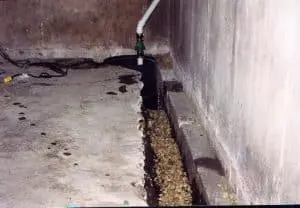
They’re installed along the perimeter of your basement floor, collecting any water that seeps in and directing it to a sump pump for removal.
It’s a straightforward solution, but don’t underestimate its power.
Wondering what you can do to further enhance your home’s water management?
Here are five key steps:
- Install a high-quality interior drainage system.
- Ensure regular maintenance of your drainage system.
- Consider a dehumidifier for basement humidity control.
- Regularly check for any signs of leakage or water damage.
- Consider professional help for serious water intrusion issues.
Importance of Proper Ventilation
In tackling basement waterproofing, don’t overlook the importance of proper ventilation. It’s not just about keeping water out, but also about maintaining healthy air circulation in your basement.
You’ve probably noticed how a closed-off room can get stuffy and uncomfortable. This is due to a lack of air movement, and the same can happen in your basement if you’re not careful.
A well-ventilated basement ensures that air continually moves in and out, eliminating stale air that could harbor mold and mildew. Remember, dampness isn’t the only enemy when waterproofing your older home. Stagnant air is just as harmful and can cause significant damage over time.
The key is to strike a balance between waterproofing and ventilation. This includes investing in a quality ventilation system and regularly checking for and clearing obstructions that could block airflow.
Proper ventilation also aids in humidity control. With the right system in place, you can control the amount of moisture in your basement, preventing dampness and humidity from damaging your home’s foundation.
It’s a crucial element in preserving the structural integrity of your older home, and it’s definitely not something you want to skip.
Sealing Basement Walls and Floors
Sealing your basement walls and floors is the next crucial step in waterproofing an older home.
It’s essential to address any existing issues like cracks or leaks before proceeding, as they can compromise the effectiveness of your efforts. That’s where crack sealing comes into play. This process involves filling the cracks with a waterproof material to prevent water from seeping in.
Next, you’ll want to apply a moisture barrier. This protective layer shields your walls and floors from moisture, preventing the growth of mold and mildew. It’s a must-have in any basement waterproofing project.
Now, let’s look at some key points to remember when sealing your basement walls and floors:
- Thoroughly inspect your basement for any visible cracks or leaks.
- Use a high-quality sealant for crack sealing.
- Apply a moisture barrier after fixing any issues.
- Ensure the entire surface area of your walls and floors is covered.
- Leave it to dry completely before moving on to the next step.
Don’t underestimate the importance of this step. It’s your home’s first line of defense against water damage.
Benefits of a Sump Pump Installation
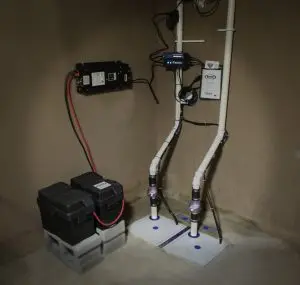
Countless homeowners find sump pump installation to be a game-changer in their battle against basement water damage. This powerful tool collects excess water and redirects it away from your home, protecting your basement from potential floods.
There are various sump pump types to choose from, each with its own unique advantages. The most common types are pedestal and submersible pumps.
Pedestal pumps are easier to maintain and generally last longer, but they’re also noisier and less discreet. On the other hand, submersible pumps are quiet and hidden, but they might require more maintenance.
Speaking of sump pump maintenance, it’s a crucial aspect of owning one. You’ll need to regularly check for blockages, test the pump’s operation, and ensure it’s adequately powered.
It’s a small investment of time that can save you from costly repairs in the long run.
In short, a sump pump installation can offer you peace of mind. It’s an effective defense against water damage, helping to keep your older home’s basement dry and safe.
Plus, with a variety of sump pump types and easy maintenance, it’s a practical solution that you can tailor to your specific needs.
Hiring Professional Waterproofing Services
Many homeowners find that hiring professional waterproofing services can be a real game-changer. It’s understandable, as these experts have the knowledge and tools to effectively address water intrusion issues in your older home’s basement.
Before you hire a service, there are a few things you need to consider:
- Experience: Look for a company that has a proven track record in waterproofing older homes similar to yours.
- Cost considerations: Waterproofing can be pricey, but remember, you’re investing in your home’s long-term health. Seek several quotes to get a fair price.
- Service reviews: Take the time to read reviews and ask for referrals. This can give you a clearer picture of what to expect.
- After-service care: Does the company offer any guarantee or maintenance service post-waterproofing? This could be a determining factor.
- Licenses and insurance: Ensure the company is licensed and insured to protect yourself from any liability.
Positive reviews, reasonable costs, and skilled professionals are part of what makes a waterproofing service great.
Frequently Asked Questions
Are There Specific Waterproofing Methods Recommended for Stone or Brick Basements?
Yes, there are specific methods recommended for stone or brick basements.
You’ll want to focus on stone sealing and brick preservation. Stone sealing involves applying a sealant to prevent water absorption.
For brick, a silane/siloxane sealer is ideal as it’s breathable and won’t trap moisture.
These methods will protect the material, stop water seepage, and preserve the integrity of your basement.
Always remember, proper drainage is also a key part of waterproofing older basements.
Can Waterproofing Increase the Value of My Older Home?
Absolutely, waterproofing your basement can significantly increase the value of your older home.
By keeping it dry, you’re preventing potential damage and enhancing its overall usability.
It’s a smart property investment that buyers appreciate, leading to higher home resale values.
How Often Should I Inspect and Maintain My Basement Waterproofing?
You should inspect your basement waterproofing at least once a year, but it’s best to check it after heavy rainfall or snow melt.
Regular maintenance is key to keeping your basement dry. Clean your gutters, repair any cracks, and ensure your sump pump is working properly.
Don’t forget to check for mold or mildew, as they’re signs your waterproofing may need attention.
Are There Waterproofing Methods That Can Also Improve Insulation?
Yes, there are waterproofing methods that’ll improve your insulation.
When you install insulation materials, consider moisture barriers. They not only keep water out but also prevent heat loss.
Spray foam insulation is a great option. It closes gaps, prevents moisture intrusion, and provides excellent insulation. This method can increase your home’s energy efficiency.
Always remember, though, professional help is recommended to ensure proper application and safety.
Can I Use Any DIY Solutions for Basement Waterproofing in Older Homes?
Sure, you can use DIY waterproofing techniques for older homes.
Common basement issues, like minor leaks or condensation, can be addressed with waterproof paints or sealants.
However, remember, these are temporary solutions.
For severe problems like major cracks or flooding, you’d better hire a professional.
It’s essential to understand the extent of your home’s issues before deciding on a DIY approach.
So, you’ve got the lowdown on waterproofing older basements now. Remember, it’s a combo of external solutions and internal drainage. Keep your foundation crack-free, your property well-drained, and your gutters clear. Consider installing a French drain or sump pump. Don’t forget to seal those walls and floors with the right stuff. And if it’s all too much, don’t hesitate to call in the pros. Your dry, mold-free basement will thank you.

Budget Dry is based in Killingworth, Connecticut and has been recognized as the areas leading basement waterproofing and foundation repair company.
We are passionate about providing the absolute best service to each home and homeowner we encounter, because we understand just how important your home is to you. We pride ourselves on our excellent customer service and use of cutting edge industry technology.
Budget Dry Basement Waterproofing is a leader in Basement waterproofing and basement restoration. Every Basement flood, leak or crack is evaluated thoroughly to ensure that we provide you with the best solution. So you can be secure and confident in the knowledge that Budget Dry treats the problem, not the symptom!