
Remember the last time heavy rain hit your area, leaving your basement damp and musty? If you’re constantly battling with leaks and moisture every time it pours, it’s high time to contemplate waterproofing your basement. Think about the serious damage that hidden moisture can cause over time, like mold growth and structural issues. Now, isn’t it worth exploring the range of waterproofing methods available, from sealing cracks and installing sump pumps to ensuring proper drainage? So, are you ready to take the necessary steps to keep your basement dry, no matter how heavy the rain gets?
Understanding Basement Waterproofing Basics
Basement waterproofing may seem challenging, but understanding its basics can help you tackle it with confidence. It’s all about controlling water flow. You’re fundamentally making sure water can’t seep into your basement, causing damage or dampness.
There are two main types of waterproofing: interior and exterior. Interior waterproofing typically involves applying sealants and coatings to prevent condensation and minor seepage. It’s a cost-effective solution but isn’t always enough for severe leakage problems.
On the other hand, exterior waterproofing is more thorough. It involves excavating around your house to install a waterproof membrane and drainage system. This method effectively blocks water from entering your basement walls.
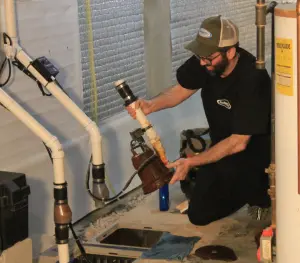
It’s also important to understand that waterproofing isn’t a one-size-fits-all solution. Various factors, such as your home’s age, the local climate, soil type, and even the slope of your property, can affect how you should approach this task.
As a result, it’s vital to do your research, understand your options, and, if necessary, consult with professionals. Remember, good waterproofing can save you from costly repairs down the line. So, don’t underestimate its significance.
Evaluating Your Basement’s Current State
Before diving into any waterproofing project, it’s vital to evaluate your basement’s current state. This initial step is significant to determining the best method for your basement’s specific circumstances.
Start by checking for visible signs of water damage or leakage. These signs could include damp walls, water stains, mold, or a musty smell. Don’t forget to check high as well as low, including the ceiling, for any signs of seepage.
Next, inspect your basement’s structure. Look closely at the walls and floor for any cracks or fractures, which could be a potential entry point for water. Remember, even minor cracks can lead to significant water damage over time.
Consider the overall condition of your basement. Is it finished or unfinished? Does it have a built-in drainage system? These factors will influence your waterproofing strategy.
Choosing the Right Waterproofing Method
Once you’ve thoroughly evaluated your basement’s current state, it’s time to choose the right waterproofing method fitting your specific needs. The right method doesn’t only depend on your budget, but also on the severity of the water issue and the construction of your basement.
There are fundamentally two main types of waterproofing: interior and exterior.
Interior waterproofing, often called water control, doesn’t stop water from getting into your basement. Instead, it manages the water once it’s already inside. This method typically includes sump pumps, drains, and dehumidifiers. It’s less expensive, but it may not be sufficient if you’ve severe water intrusion.
Exterior waterproofing, on the other hand, aims to keep water out completely. It involves excavating around the house to install a waterproof coating or membrane on the outside of the basement walls, along with drainage. This method is more invasive and costly, but it’s the best long-term solution for serious water issues.
Step-by-Step Basement Waterproofing Guide
Diving right into the process, it’s important to highlight that waterproofing your basement isn’t a one-size-fits-all project.
First, assess your basement’s current situation. Is it damp, or is there already water seeping in? The severity of the issue determines the method you’ll need.
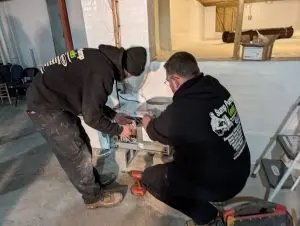
If you’re dealing with dampness, a waterproof paint or a sealant could suffice. You’d need to clean the wall, let it dry, and then apply the solution.
For minor seepage, you may be looking at a crack repair job. You’ll need to fill the cracks with a waterproof filler, ensuring it’s smoothed out to prevent future issues.
If the problem’s more severe, you might need to install an interior water drainage system. This involves cutting a channel into your basement floor around its perimeter, laying down a pipe, and then covering it with new cement.
The pipe collects any water entering and redirects it to a sump pump, which then pumps the water out of your home.
Maintaining Your Waterproofed Basement
Keeping your basement dry after waterproofing requires regular maintenance to guarantee its longevity. It’s not a one-and-done deal—you’ve got to stay on top of it to reap the full benefits.
First, inspect your basement regularly. Look for signs of water damage, such as mold, dampness, or a musty smell. If you spot any of these, address them immediately to prevent further damage.
Don’t forget to check your sump pump, too. It’s a critical part of your basement’s defense against water, so it needs to be in top shape.
Second, clean your gutters and downspouts. They direct water away from your home, and if they’re clogged, water can pool around your foundation and seep into your basement.
Make sure they’re clear of debris and properly aligned.
Last, keep an eye on your landscaping. Slope it away from your home to help water flow away from your foundation.
Also, avoid overwatering your plants near your home, as this can increase the water around your foundation.
Don’t turn a blind eye to water damage—it can sneak up on you like a thief in the night. Take action today and give your basement the armor it needs to battle the harshest of storms. Remember, a waterproofed basement is more than just a dry space—it’s peace of mind. So, plunge into it, pick the right waterproofing method and maintain it. Don’t let Mother Nature catch you off guard. Armor up and keep your basement dry.

Budget Dry is based in Killingworth, Connecticut and has been recognized as the areas leading basement waterproofing and foundation repair company.
We are passionate about providing the absolute best service to each home and homeowner we encounter, because we understand just how important your home is to you. We pride ourselves on our excellent customer service and use of cutting edge industry technology.
Budget Dry Basement Waterproofing is a leader in Basement waterproofing and basement restoration. Every Basement flood, leak or crack is evaluated thoroughly to ensure that we provide you with the best solution. So you can be secure and confident in the knowledge that Budget Dry treats the problem, not the symptom!