
You’ve probably experienced it – stepping into a damp, musty basement, wondering how you can reclaim this valuable space. The solution lies in effective waterproofing techniques. Whether interior drainage systems or exterior waterproofing methods, these strategies can prevent water intrusion, deter mold growth, and improve indoor air quality. But with every home unique, how do you choose the right solution? And what about local regulations? You’ll want to learn how professional assessments can safeguard your foundation, increase your property’s value, and give you a healthier, more functional basement.
Basement Waterproofing
You can’t afford to take chances when it comes to basement waterproofing. It’s not just about keeping your basement dry; it’s about protecting your home’s foundation from damage and ensuring your family’s health.
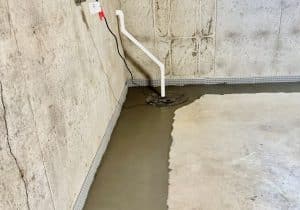
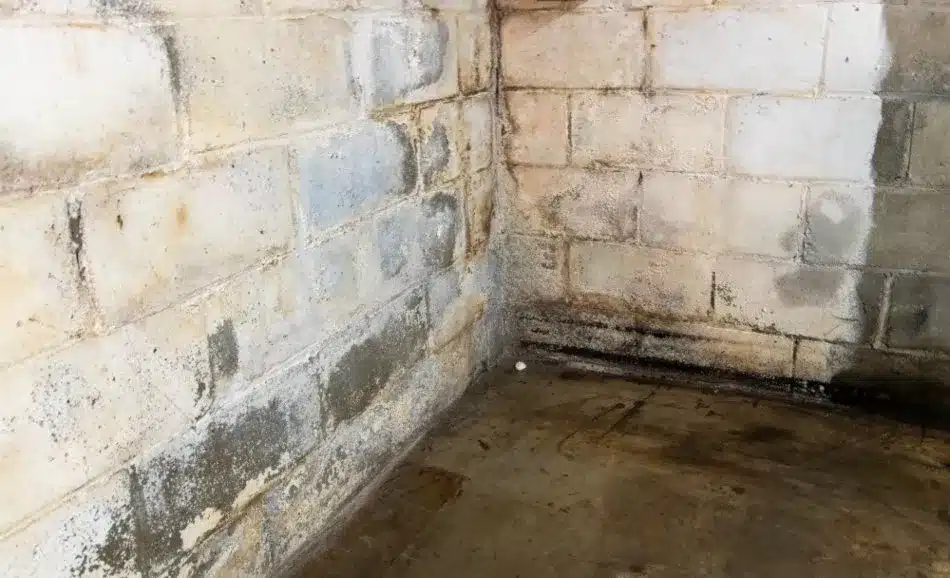
Poor or inadequate waterproofing can lead to mold and mildew growth, which can cause respiratory issues and other health problems.
You must understand that every home is unique and requires a tailored approach. It’s not a one-size-fits-all solution.
The soil type, the slope of your land, the age of your home, and the local climate all play a part in determining the proper waterproofing method for your basement.
Water can seep into your basement through cracks in the walls, floors, windows, and pipes.
It can also enter through the point where the wall and floor meet, known as the cove joint.
Common Basement Waterproofing Techniques
Understanding the various methods available for basement waterproofing is your next step, following the identification of potential water entry points in your basement.
While options are plentiful, let’s focus on two standard techniques: interior water drainage and exterior waterproofing.
Interior water drainage isn’t technically waterproofing, but it’s widely accepted as an efficient way to manage basement water. It involves installing a drainage system inside the basement to control water that’s already entered, then directing it to a sump pump system.
It’s less invasive than exterior waterproofing and won’t disrupt your yard.
On the other hand, exterior waterproofing is a more extensive process, usually involving excavation around your home to install a waterproof coating or membrane outside your basement walls.
It’s the most effective method to stop water from entering, but it’s also more involved and could affect your landscape.
No one-size-fits-all answer exists; the best method depends on your home’s unique circumstances.
It’s essential to consult with a professional to guarantee you’re choosing the right solution.
Ultimately, ensuring your basement remains dry is the goal, enhancing its usability and preserving your home’s value.
So, keeping your basement dry isn’t just about comfort; it’s about protecting your investment. With the proper waterproofing techniques, you can prevent damage, deter mold, and improve air quality. Don’t overlook the value of a professional assessment tailored to your home’s unique conditions and local regulations. After all, a dry, usable basement enhances your home’s functionality and boosts its value. Invest in your basement, which will pay off in the long run.
Contact the Professionals at Budget Dry Waterproofing Today! 203-421-8560

Budget Dry is based in Killingworth, Connecticut and has been recognized as the areas leading basement waterproofing and foundation repair company.
We are passionate about providing the absolute best service to each home and homeowner we encounter, because we understand just how important your home is to you. We pride ourselves on our excellent customer service and use of cutting edge industry technology.
Budget Dry Basement Waterproofing is a leader in Basement waterproofing and basement restoration. Every Basement flood, leak or crack is evaluated thoroughly to ensure that we provide you with the best solution. So you can be secure and confident in the knowledge that Budget Dry treats the problem, not the symptom!