
Imagine the peace of mind you’d have, knowing your basement is not just waterproofed, but also secured with innovative techniques. These methods include smart sump pump systems with monitoring technology, breathable membranes, advanced sealants, and eco-friendly drainage systems. They’re designed to keep your space dry, protect against water damage, and promote a healthier indoor climate. But how do these techniques work, and what makes them superior to traditional methods? Let’s explore this further.
Basement Waterproofing
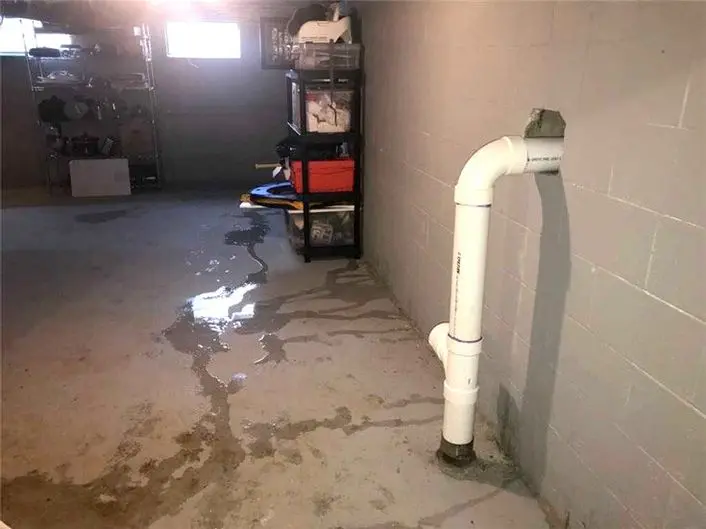
Basement waterproofing, an essential aspect of home maintenance, demands a meticulous approach. You must be precise in identifying the source of water entry and the level of moisture.
It’s not merely about blocking water; it’s about managing water flow from the outside and reducing humidity inside.
Comprehending the groundwater level in your area is vital. The groundwater level determines the hydrostatic pressure exerted on your basement walls and floor. High pressure could lead to water seepage, a common nuisance you’d want to avoid.
Don’t underestimate the role of a functional drainage system. A well-planned and efficient drainage system redirects water away from your foundation, reducing the chances of water seeping into your basement.
You’d need to inspect and clean your gutters regularly to guarantee they’re doing their job.
Furthermore, maintaining a suitable indoor humidity level is vital. High indoor humidity can cause condensation, leading to a damp basement.
Investing in a dehumidifier, and ventilating your basement regularly, can help keep humidity levels in check.
Common Basement Waterproofing Techniques
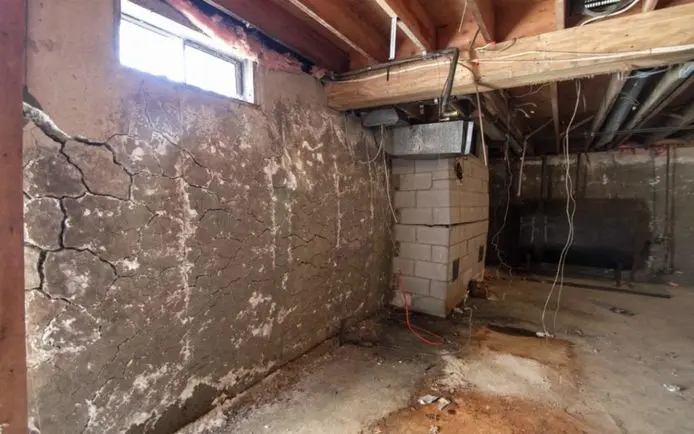
Now that we’ve covered the basics of understanding the importance of a dry basement, let’s shift our focus to the actual methods employed to achieve this. There are several common techniques that professionals use to keep your basement dry and secure.
Firstly, interior water drainage is a popular method. This involves installing a drainage system inside the basement to control water that’s already entered. It’s less invasive and less expensive than exterior drainage, and it’s typically used when there are issues with the foundation or walls.
Secondly, exterior waterproofing is a more extensive solution. It involves excavating the soil around your home, applying a waterproof coating to the exterior walls, and installing a drainage system to divert water away. It’s more costly and labor-intensive but offers a higher level of protection against water ingress.
Lastly, there’s the sump pump system. This device is installed in the lowest part of your basement to collect water and pump it out, away from your home. It’s a vital part of many waterproofing strategies, especially in areas prone to heavy rainfall or flooding.
Each method has its pros and cons. Your choice will depend on your specific situation and the severity of your basement’s water problem.
Conclusion
Innovations in basement waterproofing, like smart sump pumps and breathable membranes, make your space dry and secure. These advanced solutions not only manage moisture effectively but also alert you to potential flooding, enhancing your home’s protection. By using advanced sealants and eco-friendly drainage systems, you can guarantee long-lasting defense against water damage, while promoting a healthier indoor climate. So, upgrade your basement waterproofing techniques; the benefits are both immediate and long-lasting.

Budget Dry is based in Killingworth, Connecticut and has been recognized as the areas leading basement waterproofing and foundation repair company.
We are passionate about providing the absolute best service to each home and homeowner we encounter, because we understand just how important your home is to you. We pride ourselves on our excellent customer service and use of cutting edge industry technology.
Budget Dry Basement Waterproofing is a leader in Basement waterproofing and basement restoration. Every Basement flood, leak or crack is evaluated thoroughly to ensure that we provide you with the best solution. So you can be secure and confident in the knowledge that Budget Dry treats the problem, not the symptom!