A basement is an integral part of a home’s structure, supporting the foundation and providing additional living or storage space. However, because basements are below ground level, they are particularly vulnerable to water infiltration. When water enters a basement, it can lead to serious issues such as mold, mildew, structural damage, and foundation problems. Therefore, investing in professional waterproofing solutionsis essential for protecting the integrity of the home and maintaining a healthy indoor environment.
The Impact of Water in Basements
Water in a basement can cause extensive damage if left unaddressed. Moisture weakens the foundation, damages walls and floors, and promotes the growth of mold and mildew, which can cause health problems for residents. Below are some common problems caused by water infiltration in basements:
- Foundation Damage: Water can erode the soil beneath the foundation, causing it to settle unevenly. This leads to cracks in the walls and floors, which can compromise the structural stability of the home.
- Mold Growth: Mold and mildew thrive in moist environments. Once mold begins to grow in a basement, it can quickly spread throughout the home, leading to poor indoor air quality and health risks such as allergies and respiratory issues.
- Deterioration of Building Materials: Prolonged exposure to water can cause wood framing, drywall, and insulation to deteriorate. This can lead to costly repairs or the need to replace these materials entirely.
Given these potential issues, it’s important for homeowners to recognize the signs of water infiltration and take action to waterproof their basements. Professional waterproofing solutions are designed to address both existing moisture problems and prevent future water damage.
Common Causes of Basement Water Problems
Before implementing a waterproofing solution, it’s important to understand the root causes of basement water issues. By identifying the source of the water, homeowners can choose the most appropriate method to keep their basements dry. Below are the most common causes of water problems in basements:
1. Hydrostatic Pressure
Hydrostatic pressure is the force exerted by water in the surrounding soil as it builds up against the foundation. As water accumulates, it pushes against the basement walls and floors, forcing its way through any cracks or openings. Over time, this pressure can cause significant structural damage to the foundation if not properly addressed.
2. Poor Drainage
Poor drainage around the home is another major cause of basement water problems. When gutters, downspouts, or grading are not properly designed or maintained, water can accumulate near the foundation and eventually seep into the basement. Inadequate drainage systems also contribute to the buildup of hydrostatic pressure around the foundation.
3. Cracks in the Foundation
Even small cracks in the foundation walls or floor can allow water to enter the basement. Cracks may form due to the natural settling of the house or from the expansion and contraction of the soil around the foundation. Once these cracks are present, they can widen over time, allowing more water to seep in and cause damage.
4. Window Wells and Basement Windows
Basement windows are another potential entry point for water. If the windows are not properly sealed, or if the window wells are not equipped with proper drainage, water can accumulate and leak into the basement. Inadequate window well covers or drainage systems can exacerbate this issue during periods of heavy rainfall.
Professional Basement Waterproofing Techniques
There are several professional techniques available to waterproof basements effectively. The appropriate method depends on the specific water issues affecting the home, as well as the condition of the foundation and surrounding soil. Below are the most common basement waterproofing methods used by professionals:
1. Exterior Waterproofing
Exterior waterproofing is the most comprehensive method for protecting a basement from water infiltration, as it addresses the problem at its source—outside the home. This technique involves excavating the soil around the foundation to apply waterproof coatings, install drainage systems, and create barriers that prevent water from reaching the basement walls.
- Waterproof Coatings and Membranes: A waterproof coating or membrane is applied to the exterior of the foundation walls after excavation. These materials create a barrier that prevents water from penetrating the foundation. The coatings are typically made of rubberized asphalt, polyurethane, or elastomeric materials, which are flexible and durable enough to withstand soil movement and water pressure.
- French Drains: French drains are a common feature of exterior waterproofing systems. These consist of a trench filled with gravel and a perforated pipe, which is installed around the foundation. The French drain collects water from the surrounding soil and directs it away from the foundation, preventing water buildup and reducing hydrostatic pressure.
- Proper Grading: Ensuring that the ground around the foundation slopes away from the house is crucial for preventing water from pooling near the basement walls. Professional waterproofing contractors often re-grade the landscaping around the foundation to improve water runoff.
2. Interior Waterproofing
Interior waterproofing systems are designed to manage water that enters the basement and prevent moisture from accumulating. While these solutions don’t stop water from entering the basement, they are highly effective at controlling and redirecting water away from the foundation.
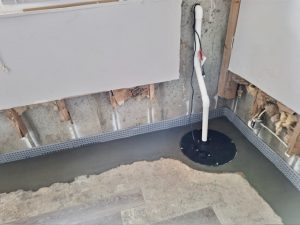
- Interior Drainage Systems: Interior drainage systems are installed along the perimeter of the basement floor and are designed to collect water that seeps through the walls or floors. This water is then channeled into a sump pump, which removes it from the basement and directs it away from the home.
- Sump Pumps: A sump pump is an essential part of most interior waterproofing systems. It is installed in a sump pit at the lowest point of the basement. When water accumulates in the pit, the sump pump automatically activates and pumps the water out of the basement through a discharge pipe. Backup battery-powered sump pumps are recommended to ensure the system continues functioning during power outages.
- Vapor Barriers and Sealants: Vapor barriers can be applied to basement walls and floors to prevent moisture from seeping through. These barriers help control humidity levels and reduce the risk of mold growth. Interior sealants may also be applied to cracks and openings to stop water infiltration.
3. Crack Injection Repair
For foundations with small to moderate cracks, crack injection repair is a cost-effective and efficient method of sealing the cracks and preventing further water intrusion. This technique involves injecting an expanding sealant, such as epoxy or polyurethane, into the cracks to fill and seal them.
- Epoxy Injection: Epoxy is a strong, rigid material that bonds to concrete and provides structural support. It is often used for structural cracks, as it restores the strength of the foundation.
- Polyurethane Injection: Polyurethane is more flexible than epoxy and is typically used for non-structural cracks that may expand and contract over time. It is ideal for filling hairline cracks and preventing water seepage.
The Long-Term Benefits of Basement Waterproofing
Investing in professional basement waterproofing offers numerous long-term benefits for homeowners. By keeping water out of the basement, homeowners can avoid costly repairs, improve the home’s overall value, and create a healthier living environment.
1. Prevention of Structural Damage
Water is one of the most destructive forces for a home’s foundation. Over time, water infiltration can weaken the foundation, leading to cracks, bowing walls, and settling. Waterproofing protects the foundation from these issues, preventing costly structural repairs and ensuring the stability of the home.
2. Mold Prevention and Improved Indoor Air Quality
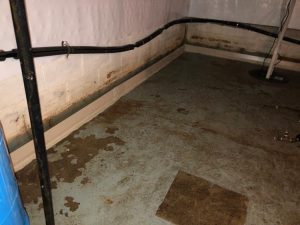
Moisture in the basement creates the perfect environment for mold and mildew growth. Once mold begins to grow, it can spread to other parts of the home, leading to poor indoor air quality and potential health risks. Waterproofing eliminates the moisture source, preventing mold growth and improving the overall air quality in the home.
3. Increased Home Value
A dry, well-maintained basement adds significant value to a home. Whether it is used for storage, living space, or as a finished area, a waterproofed basement is an attractive feature for potential buyers. Homeowners who invest in waterproofing can often recoup the cost of the project by increasing the marketability and value of their property.
4. Peace of Mind
Knowing that your basement is protected from water damage provides peace of mind. Homeowners can rest assured that their investment is safeguarded and that they won’t have to deal with the stress and expense of water-related issues in the future.
Basement waterproofing is a vital component of home maintenance, protecting the foundation from water damage and preventing issues such as mold growth and structural deterioration. By understanding the common causes of basement water problems and choosing the right professional waterproofing techniques, homeowners can ensure their basements remain dry and safe for years to come. Whether opting for exterior waterproofing, interior drainage systems, or crack repair, the long-term benefits of waterproofing make it a worthwhile investment for any homeowner.
Contact the Professionals at Budget Dry Waterproofing Today! 203-421-8560

Budget Dry is based in Killingworth, Connecticut and has been recognized as the areas leading basement waterproofing and foundation repair company.
We are passionate about providing the absolute best service to each home and homeowner we encounter, because we understand just how important your home is to you. We pride ourselves on our excellent customer service and use of cutting edge industry technology.
Budget Dry Basement Waterproofing is a leader in Basement waterproofing and basement restoration. Every Basement flood, leak or crack is evaluated thoroughly to ensure that we provide you with the best solution. So you can be secure and confident in the knowledge that Budget Dry treats the problem, not the symptom!