
Basement waterproofing is crucial for maintaining a dry and healthy home. Water intrusion can lead to structural damage, mold growth, and poor indoor air quality. This comprehensive guide will walk you through essential tips and techniques to effectively waterproof your basement, ensuring a safe and secure living environment.
The Importance of Basement Waterproofing
Preventing Structural Damage
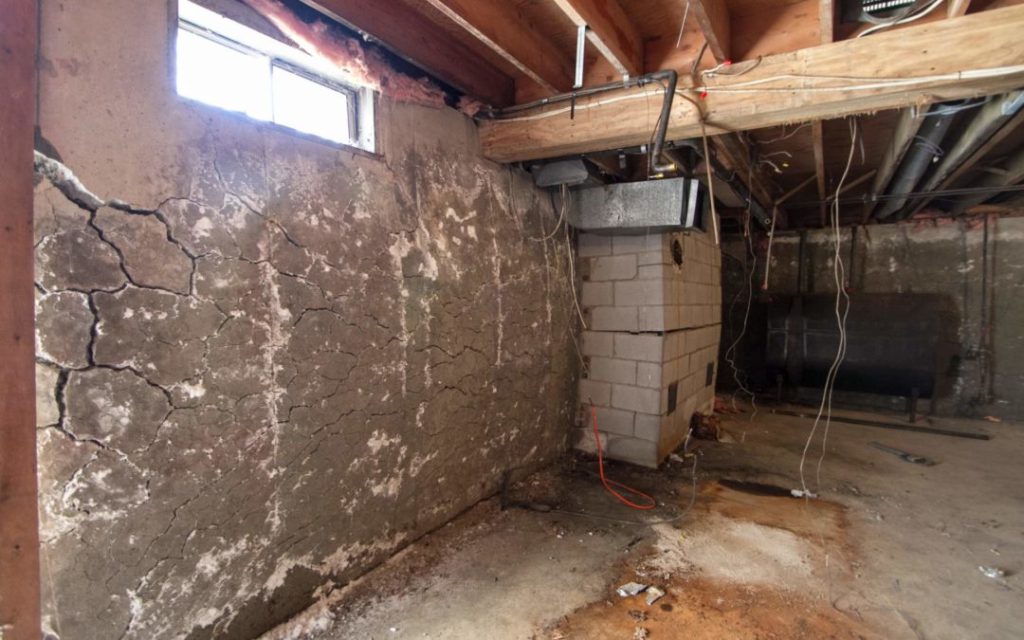
Water infiltration weakens the foundation, leading to cracks, shifting, and other structural issues. Over time, this damage can compromise the safety and stability of your entire house. Waterproofing your basement helps prevent these issues, ensuring that your home remains strong and secure.
Enhancing Indoor Air Quality
Moisture in the basement creates an environment conducive to mold and mildew growth. These fungi release spores into the air, which can circulate throughout your home and affect indoor air quality. Mold exposure can cause respiratory problems, allergies, and other health issues. Waterproofing your basementhelps maintain a dry environment, reducing the risk of mold growth and promoting healthier indoor air.
Increasing Home Value
A dry, well-maintained basement adds value to your home. Potential buyers are more likely to be interested in a property with a waterproofed basement, as it indicates a lower risk of future water-related problems. Investing in basement waterproofing can thus provide a significant return on investment when it comes time to sell your home.
Common Causes of Basement Water Problems
Poor Drainage
Improper drainage around your home’s foundation can lead to water pooling and eventually seeping into the basement. Ensure that your gutters and downspouts direct water away from the foundation and that the ground slopes away from the house to prevent water accumulation.
Hydrostatic Pressure
Hydrostatic pressure occurs when groundwater builds up around your foundation, exerting pressure on the walls and floor of your basement. This pressure can force water through cracks and gaps, leading to leaks and water damage. Effective waterproofing methods can help manage hydrostatic pressure and prevent water intrusion.
Foundation Cracks
Cracks in the foundation walls or floor can provide an entry point for water. These cracks can result from settling, shifting, or other structural issues. Sealing these cracks and reinforcing the foundation can help prevent water infiltration.
Condensation
Condensation can form on basement walls and floors when warm, humid air comes into contact with cool surfaces. This moisture can contribute to mold growth and other problems. Proper ventilation and dehumidification can help manage condensation in the basement.
Methods of Basement Waterproofing
Exterior Waterproofing
Excavation and Foundation Sealing
Exterior waterproofing involves excavating around the foundation of your home to apply a waterproof coating or membrane to the exterior walls. This method effectively blocks water from entering the basement and is often combined with drainage systems to manage groundwater. While exterior waterproofing is highly effective, it can be expensive and labor-intensive.
French Drains
A French drain is a trench filled with gravel or rock containing a perforated pipe that redirects surface water and groundwater away from the foundation. Installing a French drain can help prevent water from accumulating around the foundation and reduce hydrostatic pressure.
Interior Waterproofing
Sealants and Coatings
Interior waterproofing involves applying sealants or coatings to the interior walls and floors of the basement. These products can help prevent minor leaks and moisture infiltration but may not be sufficient for addressing significant water problems. Interior sealants are often used as a supplementary measure in conjunction with other waterproofing methods.
Sump Pumps
A sump pump is a device installed in a sump pit in the basement floor to collect and pump out water that enters the space. Sump pumps are particularly effective in areas prone to flooding or with high groundwater levels. Regular maintenance is essential to ensure the pump operates effectively during heavy rains or storms.
Interior Drainage Systems
Interior drainage systems, also known as French drains or weeping tiles, are installed along the perimeter of the basement floor. These systems collect water that enters the basement and direct it to a sump pump or drain, preventing water from pooling on the floor. Interior drainage systems are often used in combination with other waterproofing methods for optimal protection.
Steps to Waterproof Your Basement
Assess the Problem
Before implementing any waterproofing measures, conduct a thorough inspection of your basement to identify the sources of water intrusion. Look for cracks, damp spots, and signs of mold or mildew. Understanding the extent of the problem will help you choose the most appropriate waterproofing methods.
Improve Exterior Drainage
Ensure that your gutters and downspouts are functioning correctly and directing water away from the foundation. Consider extending downspouts further from the house and grading the landscape to slope away from the foundation. Installing exterior drainage systems like French drains can also help manage water around the foundation.
Seal Cracks and Gaps
Seal any cracks or gaps in the foundation walls and floor using high-quality sealants or epoxy injections. Addressing these entry points can help prevent water from seeping into the basement.
Install Interior Waterproofing Systems
Consider installing interior drainage systems and sump pumps to manage water that enters the basement. These systems can provide an effective line of defense against water infiltration and help keep your basement dry.
Control Humidity and Ventilation
Use dehumidifiers and proper ventilation to control humidity levels in the basement. Reducing moisture in the air can help prevent condensation and mold growth.
Maintaining Your Waterproofed Basement
Regular Inspections
Conduct regular inspections of your basement and foundation to identify any new cracks, leaks, or signs of moisture. Early detection of problems can help you address them before they become severe.
Maintain Gutters and Downspouts
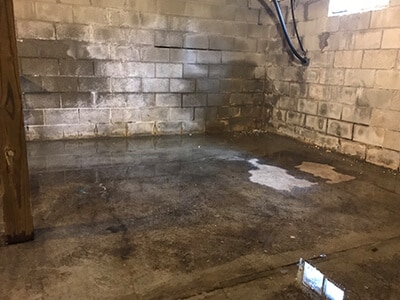
Ensure that your gutters and downspouts are clean and functioning correctly. Regular maintenance can help prevent water from accumulating around the foundation and causing problems.
Test Sump Pumps
Regularly test your sump pump to ensure it is working correctly. Consider installing a battery backup system to keep the pump operational during power outages.
Monitor Humidity Levels
Use a hygrometer to monitor humidity levels in your basement. Aim to keep humidity below 60% to prevent mold growth and condensation.
Basement waterproofing is a crucial investment for any homeowner. By understanding the causes of water problems and implementing effective waterproofing methods, you can protect your home from structural damage, improve indoor air quality, and increase your property’s value. Regular maintenance and proactive measures will help ensure that your basement remains dry and healthy for years to come.
Contact the Professionals at Budget Dry Waterproofing Today! 203-421-8560

Budget Dry is based in Killingworth, Connecticut and has been recognized as the areas leading basement waterproofing and foundation repair company.
We are passionate about providing the absolute best service to each home and homeowner we encounter, because we understand just how important your home is to you. We pride ourselves on our excellent customer service and use of cutting edge industry technology.
Budget Dry Basement Waterproofing is a leader in Basement waterproofing and basement restoration. Every Basement flood, leak or crack is evaluated thoroughly to ensure that we provide you with the best solution. So you can be secure and confident in the knowledge that Budget Dry treats the problem, not the symptom!