
Basements are valuable spaces in homes, providing extra living areas, storage, and utility rooms. However, they are also vulnerable to moisture intrusion, which can lead to various issues such as mold growth, structural damage, and reduced indoor air quality. Basement waterproofing is a crucial step in protecting homes from water damage and ensuring the longevity of the structure. In this comprehensive guide, we’ll explore everything you need to know about basement waterproofing, including its importance, methods, benefits, and considerations for homeowners.
Importance of Basement Waterproofing
Basement waterproofing is essential for several reasons:
- Preventing Water Damage: Water infiltration into the basement can cause damage to walls, floors, and belongings stored in the basement. Waterproofing helps prevent costly repairs and property damage caused by moisture intrusion.
- Protecting Structural Integrity: Excess moisture in the basement can weaken the foundation and structural components of the home, leading to cracks, settlement, and other issues. Waterproofing helps preserve the structural integrity of the building by keeping the basement dry and stable.
- Preventing Mold and Mildew Growth: Damp basements provide the perfect environment for mold and mildew to thrive, which can pose health risks to occupants and cause respiratory problems. Waterproofing helps prevent mold growth by eliminating excess moisture and maintaining a dry environment.
- Improving Indoor Air Quality: Moisture in the basement can lead to musty odors and airborne contaminants, reducing indoor air quality. Waterproofing helps create a healthier living environment by reducing humidity levels and eliminating mold and mildew growth.
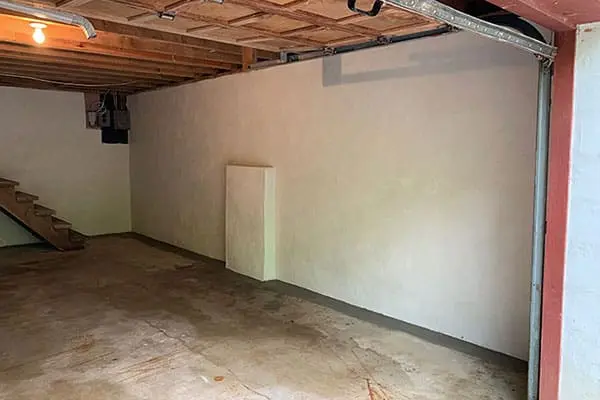
Methods of Basement Waterproofing
There are several methods of basement waterproofing, each suited to different situations and budget considerations:
- Exterior Waterproofing: Exterior waterproofing involves applying waterproof membranes or coatings to the exterior walls of the basement to prevent water from entering the foundation. This method is effective but can be costly and disruptive, as it requires excavation around the perimeter of the home.
- Interior Waterproofing: Interior waterproofing involves installing drainage systems and sealants inside the basement to manage water that has already infiltrated the foundation. This method is less invasive and more affordable than exterior waterproofing but may not be as effective at preventing water intrusion.
- French Drains: French drains are drainage systems installed around the perimeter of the basement to collect and redirect groundwater away from the foundation. They consist of perforated pipes surrounded by gravel or rock, which allow water to flow freely while preventing soil erosion.
- Sump Pump Installation: Sump pumps are installed in a pit or sump basin in the basement floor to remove excess water and prevent flooding. They are often used in conjunction with interior drainage systems to effectively manage groundwater infiltration.
- Crack Repair: Cracks in the basement walls or floor can provide pathways for water to enter the home. Repairing these cracks with epoxy injections or hydraulic cement can help prevent water infiltration and further damage to the foundation.
Benefits of Basement Waterproofing
Investing in basement waterproofing offers several benefits for homeowners:
- Protection Against Water Damage: Basement waterproofing helps protect the home from water damage, reducing the risk of mold growth, structural damage, and property loss.
- Increased Home Value: A dry basement adds value to the home and enhances its marketability, making it more attractive to potential buyers.
- Improved Indoor Comfort: A dry basement creates a more comfortable living environment by reducing humidity levels and eliminating musty odors.
- Healthier Living Environment: Waterproofing helps prevent mold and mildew growth, improving indoor air quality and reducing the risk of respiratory problems.
- Long-Term Cost Savings: While basement waterproofing may require an initial investment, it can lead to significant long-term cost savings by preventing costly repairs and property damage caused by water infiltration.
Considerations for Homeowners
Before undertaking basement waterproofing, homeowners should consider the following factors:
- Extent of Water Damage: Assess the extent of water damage in the basement to determine the most appropriate waterproofing method. In some cases, minor repairs may be sufficient, while more severe damage may require extensive waterproofing measures.
- Budget Considerations: Consider the cost of different waterproofing methods and your budget constraints. While exterior waterproofing may offer the most comprehensive protection, it can be costly and may not be feasible for all homeowners.
- Soil and Drainage Conditions: Evaluate the soil composition and drainage conditions around your home to determine the best approach for managing groundwater and surface water. Properties with poor soil drainage may require more extensive waterproofing measures.
- Local Building Codes and Regulations: Familiarize yourself with local building codes and regulations governing basement waterproofing requirements in your area. Certain jurisdictions may have specific guidelines for basement waterproofing, which may influence your choice of methods and materials.
- Professional Consultation: Consider consulting with a professional waterproofing contractor to assess the condition of your basement and recommend appropriate waterproofing solutions. A professional can provide expert guidance and ensure that the chosen method effectively addresses your specific needs and concerns.

Basement waterproofing is a critical investment in the long-term health and stability of your home. By addressing water infiltration and moisture issues, homeowners can protect their property from damage, improve indoor air quality, and increase the value of their home. With various methods available, including exterior and interior waterproofing, French drains, sump pump installation, and crack repair, homeowners have options to suit their specific needs and budget.
Before embarking on basement waterproofing, it’s essential to assess the extent of water damage, consider budget constraints, evaluate soil and drainage conditions, and familiarize oneself with local building codes. Consulting with a professional waterproofing contractor can provide valuable insights and ensure that the chosen method effectively addresses the unique challenges of the basement.
In conclusion, basement waterproofing is a proactive measure that can safeguard homes against water damage, structural issues, and health hazards associated with moisture infiltration. By investing in basement waterproofing, homeowners can enjoy a dry, healthy, and structurally sound living environment for years to come, providing peace of mind and preserving the value of their property.
Contact the Professionals at Budget Dry Basement Waterproofing Today! 203-421-8560

Budget Dry is based in Killingworth, Connecticut and has been recognized as the areas leading basement waterproofing and foundation repair company.
We are passionate about providing the absolute best service to each home and homeowner we encounter, because we understand just how important your home is to you. We pride ourselves on our excellent customer service and use of cutting edge industry technology.
Budget Dry Basement Waterproofing is a leader in Basement waterproofing and basement restoration. Every Basement flood, leak or crack is evaluated thoroughly to ensure that we provide you with the best solution. So you can be secure and confident in the knowledge that Budget Dry treats the problem, not the symptom!