
Fungi such as mold occur naturally in both our indoor and outdoor environments. Many species of fungi are quite safe. Some fungi such as yeast and mushrooms are even edible. However, there are a few that can be hazardous to our health, especially when they are abundant in our indoor environments. It is important to be able to identify these toxic fungi and deal with them in the safest and most efficient way.
While many people are aware of the dangers of black mold in basement environments, only few are concerned about the appearance of white mold. White mold is just as common as black mold. However, many homeowners aren’t sure whether they should be concerned about its presence or not.
What is white mold?
White mold, like black mold in basement environments, thrives in musty areas. It has a white appearance which makes it easy to detect. However, many homeowners aren’t aware they are dealing with white mold even when they spot the mold on furniture, fabric, food, plants, carpeting and other organic material.
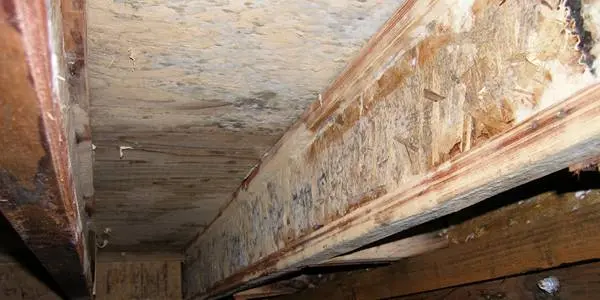
White mold often changes color over time. It can be white, green, black, grey or just about any other color. Its mycelium can grow deep into the structure of the organic material it affects. While white mold presents less of a health risk than black mold in basement environments, it can still cause health issues if it is not dealt with as soon as possible.
White mold or efflorescence
Homeowners often confuse white mold for efflorescence. This is because they have a similar powdery appearance. They are also both white and can be found on damp building materials. Both of these signify a moisture problem that needs to be dealt with.
You can distinguish efflorescence and white mold as follows:
- Mold does not dissolve in water. Efflorescence does. Pour some water over the infested surface to see what happens.
- Efflorescence only occurs on concrete or brick walls. White mold can be found in other organic materials such as drywall, wood and carpets.
- Efflorescence does not give off an odor. White mold gives a distinctive musty odor.
What to do now?
If you’ve spotted white mold in your home, you may be wondering what steps you should take next. The best thing you can do is get in touch with a mold inspector to have your home inspected for mold. This will reveal the extent of the infestation and the type of mold present. You should then invest in mold remediation to ensure that all mold is removed from the home.

Budget Dry is based in Killingworth, Connecticut and has been recognized as the areas leading basement waterproofing and foundation repair company.
We are passionate about providing the absolute best service to each home and homeowner we encounter, because we understand just how important your home is to you. We pride ourselves on our excellent customer service and use of cutting edge industry technology.
Budget Dry Basement Waterproofing is a leader in Basement waterproofing and basement restoration. Every Basement flood, leak or crack is evaluated thoroughly to ensure that we provide you with the best solution. So you can be secure and confident in the knowledge that Budget Dry treats the problem, not the symptom!